
Luxor
Valley of the Kings: A Guide to Egypt's Royal Tombs
How to plan a Valley of the Kings visit: ticket structure, which tombs to prioritise, and what makes the site different from anywhere else in Egypt.
On the west bank of the Nile opposite Luxor, a dry valley cut into limestone hills holds the burial sites of most of Egypt's New Kingdom pharaohs, chosen precisely because the location was remote, easily guarded and unlike the visible pyramid tombs of earlier dynasties. More than sixty tombs have been identified in the Valley of the Kings, though only a rotating selection is open to visitors at any time, and the experience of descending into one is unlike almost anything else on a typical Egypt itinerary.
Why the Valley of the Kings Exists
By the New Kingdom period, pharaohs had largely abandoned above-ground pyramids as royal tombs, partly because their visibility made them easy targets for robbers. Instead, tombs were cut deep into a hidden valley on Luxor's west bank, marked as little as possible on the surface. It didn't fully work as intended, since most tombs were robbed in antiquity anyway, but the strategy did mean the valley preserved an extraordinary concentration of decorated burial chambers in one place.
How the Ticket System Works
Entry to the Valley of the Kings is structured, not a single flat fee for everything:
| Ticket | What it includes |
|---|---|
| General admission | Entry to the valley and a set number of standard tombs (currently three) |
| Tutankhamun's tomb | Sold separately, not included in general admission |
| Tomb of Seti I | Sold separately, one of the most elaborately decorated tombs |
| Tomb of Ramesses VI | Sometimes included, sometimes separate, depending on current arrangements |
Which specific tombs are open on general admission rotates periodically to manage wear from visitor humidity and foot traffic, so it's worth confirming current access with your guide on the day rather than relying on older information. See Luxor for wider context on the west bank sites and how the valley fits into a Luxor day.
Which Tombs to Prioritise
With a limited number of tombs included on standard admission, it helps to know what makes each one worth visiting:
- Tutankhamun's tomb is smaller and less elaborately decorated than several others, but its fame and the story of its 1922 discovery, largely intact, make it a draw regardless. It requires a separate ticket.
- Tomb of Seti I is widely regarded as one of the most beautifully decorated and largest tombs in the valley, with extensive painted reliefs, and also requires a separate ticket.
- Tomb of Ramesses VI has striking astronomical ceiling decoration and is popular for its accessible, well-preserved scenes.
- Among the tombs typically on general admission, quality and condition vary by rotation, so ask your guide which three are currently open and worth the time.
A Reasonable Half-Day Plan
- Start early, ideally at opening, since the valley has no natural shade and heat builds quickly.
- Visit two or three tombs on general admission, then add Tutankhamun's or Seti I's tomb if it matters to you specifically.
- Allow time afterwards for the nearby Mortuary Temple of Hatshepsut and the Colossi of Memnon, both on the same west bank and commonly combined with the valley in one outing.
What You'll See Inside
Each open tomb consists of a descending corridor, sometimes with side chambers, leading to a burial chamber, walls covered in painted or carved religious texts guiding the pharaoh through the afterlife. The scenes differ by tomb and dynasty but often include depictions from the Book of the Dead, the Book of Gates, or the Amduat. None of the original sarcophagi contents remain on public display inside most tombs; the major finds, including much of Tutankhamun's treasure, are now held elsewhere, notably at the Grand Egyptian Museum near Cairo.
Photography Rules
Photography rules in the valley have changed over the years and can vary by tomb, with some allowing photography for an additional fee and others restricting it entirely, particularly around flash use, which damages painted surfaces over time. Check current rules with your guide before you go in, since enforcement is taken seriously and confiscated equipment or fines are possible for non-compliance. For general guidance on shooting conditions across Egypt's major sites, see photography rules in the tombs.
Getting There
The Valley of the Kings sits on Luxor's west bank, a short drive from the Nile crossing points used by most tours. Travellers staying in Luxor hotels or arriving via [Nile cruises that include Luxor](/nile-cruises) typically visit as part of a half-day west bank itinerary, often combined with Hatshepsut's temple and sometimes the Valley of the Queens. Independent taxis and organised tours both operate this route, though a guide adds considerable value here given the near-total absence of on-site interpretive signage inside the tombs.
Practical Notes
- Wear comfortable shoes; there is a reasonable amount of walking and some stairs within tombs.
- Bring water, a hat and sun protection; there's no shade in the valley itself.
- Interior air can be warm and humid from visitor breath and body heat, particularly in popular tombs.
- Golf carts or short walks connect the entrance to the tomb clusters; a small internal shuttle system typically operates from the visitor centre.
Planning the Rest of Your Luxor Day
The Valley of the Kings is usually one stop within a broader Luxor day that might also include Karnak Temple on the east bank, Luxor Temple, and Hatshepsut's temple on the west bank. Given the heat and walking involved, most well-planned itineraries split east and west bank sites across separate days or half-days rather than combining everything into a single exhausting outing.
A Final Word
The Valley of the Kings rewards a bit of preparation, mainly deciding in advance which of the paid extra tombs matter to you, since general admission alone will only get you into a rotating, unpredictable selection. A knowledgeable guide who knows the current rotation and can steer you toward the best-preserved tombs open on your date makes a real difference to how much you get from the visit.
How Tombs Are Chosen for the Excavation and Rotation System
The rotation system that determines which tombs are open on general admission exists primarily to manage conservation pressure. Humidity from visitor breath and body heat, combined with foot traffic vibration, causes measurable long-term wear to painted plaster surfaces, so the antiquities authorities periodically close certain tombs to allow surfaces to stabilise while opening others that have had time to recover or complete conservation work. This means a tomb that was included in general admission on a previous visit, or that a guidebook describes as standard, may not be part of the current rotation, and it also means that visiting with a guide who checks current access shortly before your visit date is more reliable than planning around older written sources, including sections of this guide, since the specific rotation changes over time even though the general ticket structure remains stable.
The Discovery History Behind the Valley's Fame
Much of the valley's modern fame rests on a series of dramatic excavation stories rather than the tombs' visual condition alone. Howard Carter's 1922 discovery of Tutankhamun's tomb, found almost entirely intact after centuries of the valley's more prominent tombs having been extensively robbed in antiquity, remains the reference point most visitors already know before arriving. Less widely known is that the valley continued to yield significant finds well into the twentieth century, including KV5, a vast multi-chambered tomb rediscovered in the 1990s and identified as a mass burial site for sons of Ramesses II, among the largest tombs ever found in the valley by chamber count, though not generally open to public visits. Knowing this longer excavation history helps explain why the valley continues to be treated as an active area of archaeological research rather than a fully catalogued historical site.
Understanding the Religious Texts on the Walls
The painted and carved texts covering tomb walls aren't decorative in the way a modern visitor might assume, but functional religious documents meant to guide the pharaoh's spirit through specific stages of the afterlife journey. The Book of the Dead, the Book of Gates and the Amduat each describe different cosmological frameworks for this journey, involving trials, gatekeepers and transformations the deceased pharaoh needed to navigate successfully. Different tombs draw on different combinations of these texts, and a guide who can identify which text appears on which wall, and explain the specific afterlife challenge being depicted, turns what might otherwise look like repetitive rows of figures and hieroglyphs into a coherent, sequential narrative that was taken with complete religious seriousness by the people who commissioned it.
The Valley of the Queens as a Companion Site
A short distance from the Valley of the Kings sits the Valley of the Queens, burial site for royal wives and children rather than pharaohs themselves, and home to the tomb of Nefertari, principal wife of Ramesses II, widely regarded as one of the most beautifully decorated tombs in all of Egypt. Access to Nefertari's tomb is tightly restricted and sold as a separate, limited, and notably more expensive ticket beyond the general Valley of the Queens admission, reflecting both its fragility and its exceptional condition. Travellers with a strong interest in tomb painting specifically, rather than the historical weight of the Valley of the Kings' pharaonic burials, sometimes prioritise Nefertari's tomb over an additional paid tomb in the main valley, and it's worth discussing this trade-off with your guide if visual quality matters more to you than dynastic significance.
Practical Differences Between Visiting Independently and With a Guide
Independent visitors can absolutely purchase tickets and walk the valley on their own, and the visitor centre includes a small orientation area with general background. What independent visitors lose, in practical terms, is the ability to make an informed choice about which of the rotating general-admission tombs are actually worth prioritising on a given day, since this changes with the rotation and isn't obvious from signage alone, along with any explanation of what's actually depicted on the walls once inside. A guide also generally knows the layout of the site well enough to sequence tomb visits efficiently, useful given the heat and the golf-cart shuttle system connecting the entrance to the tomb clusters, and can adjust the day's pace if a tomb is unusually crowded at a given time by rerouting to another before returning later.
Combining the Valley With Deir el-Medina
Less visited than the main valley but worth knowing about, Deir el-Medina was the purpose-built village for the artisans and workers who constructed and decorated the royal tombs, and includes several of their own smaller but often vividly painted tombs, along with the remains of the workers' settlement itself. Visiting Deir el-Medina alongside the Valley of the Kings gives a genuinely different perspective on the same historical period, from the workers' side rather than the royal side, and tends to draw far smaller crowds given its lower profile relative to Tutankhamun's tomb. It fits naturally into an already-planned west bank day without adding significant driving time, since it sits close to the main valley entrance.
Egypt for Solo Travellers
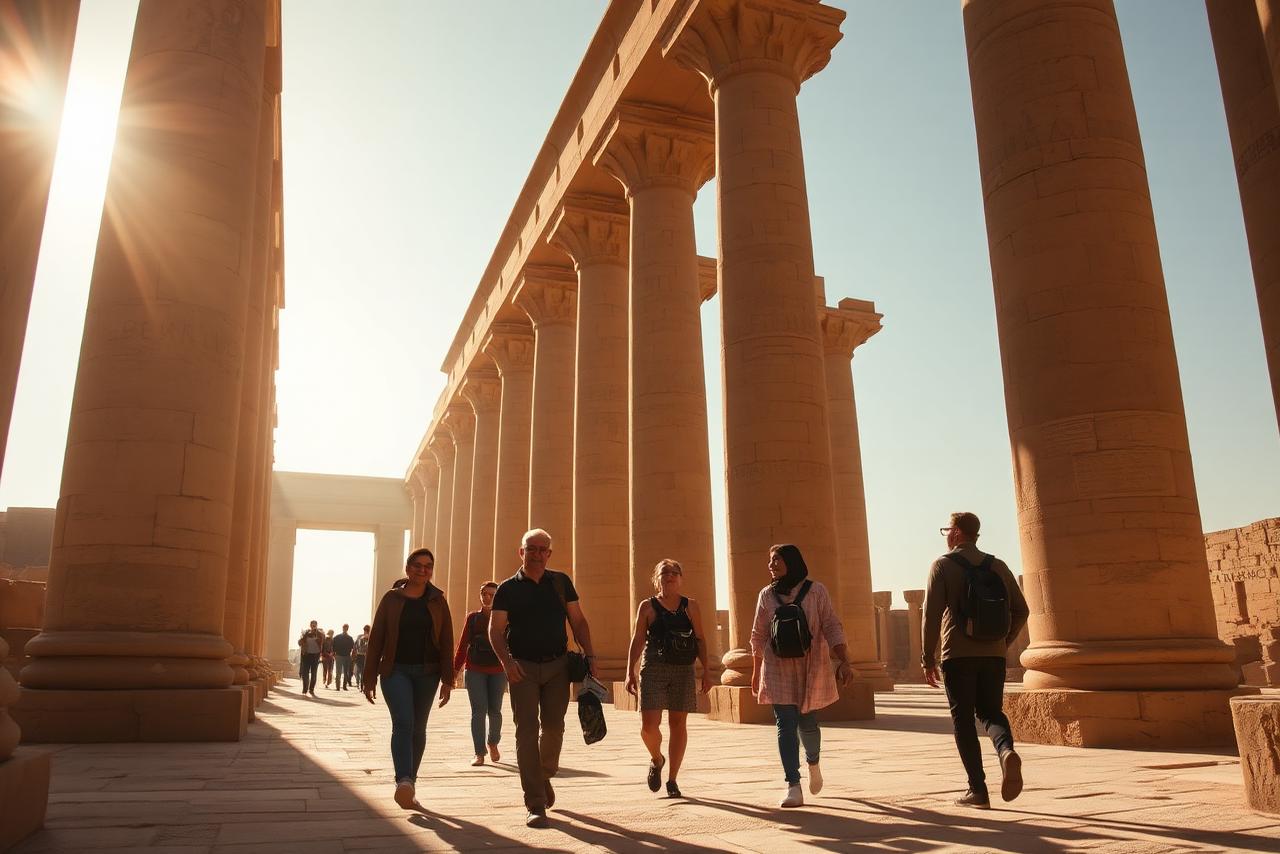
A small-group departure with no single supplement, covering Cairo, a Nile cruise and Abu Simbel with a dedicated tour leader.
Frequently asked questions
How many tombs can you visit in the Valley of the Kings?+
General admission currently includes entry to three tombs from a rotating selection. Tutankhamun's tomb and the tomb of Seti I are sold as separate tickets and are not included in general admission.
Is Tutankhamun's tomb worth the extra ticket?+
It's smaller and less visually elaborate than several other tombs in the valley, but many visitors find the historical significance and the story of its 1922 discovery worth the separate cost. If decoration quality matters more to you than fame, the tomb of Seti I is often considered more visually impressive.
How much time do you need at the Valley of the Kings?+
Two to three hours is generally enough to see three or four tombs at a comfortable pace, including walking time between them. Most visitors combine this with other west bank sites like Hatshepsut's temple in the same half-day.
Can you take photos inside the tombs?+
Photography rules vary by tomb and change periodically, with some tombs allowing photos for a fee and others restricting it, particularly flash photography, to protect painted surfaces. Confirm current rules with your guide before entering.
What is the best time of year to visit the Valley of the Kings?+
Cooler months from October to April are more comfortable, since the valley has no shade and can become very hot in summer. Early morning visits are recommended year-round to avoid both heat and crowds.
Is Nefertari's tomb in the Valley of the Queens worth visiting alongside the Valley of the Kings?+
It's widely regarded as one of the most beautifully preserved painted tombs in Egypt, though access is tightly restricted and sold as a separate, higher-priced ticket. Travellers most interested in tomb painting quality specifically often prioritise it; those more interested in dynastic history may prefer to spend that budget on an additional paid tomb within the Valley of the Kings itself.
Experience Egypt like never before
Our local experts are ready to craft a personalized itinerary that matches your dreams. Chat with us now or start designing your trip online.

Planning this trip?
Tell us your dates and interests and our team in Egypt will send a day-by-day plan with clear pricing.
Featured Tours for you
Egypt for Solo Travellers
A small-group departure with no single supplement, covering Cairo, a Nile cruise and Abu Simbel with a dedicated tour leader.
Best of Egypt with Abu Simbel
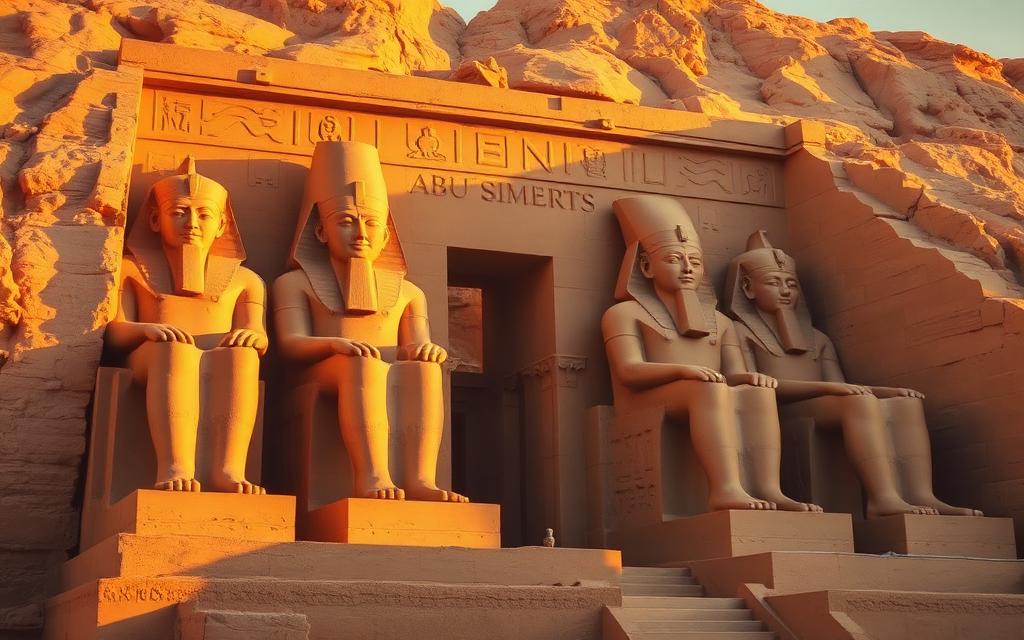
The classic route at a calmer pace, with the Abu Simbel temples added and extra time in both Cairo and Luxor.
Related guides
Pyramids of Giza Tours: What to Expect & How to Book
The best Pyramids of Giza tours pair a licensed Egyptologist with a private car, cover the three pyramids and the Great Sphinx, and give you the freedom to arrive early before the crowds.
Nile Cruise Planning: Practical Tips for First-Time Travelers
How Nile cruises actually work: routes, ship types, what is included, which temples you see on which day, and how to choose between a cruise ship, a dahabiya and a felucca.
Best Time to Visit Egypt for a Luxury Tour
Month-by-month temperatures, crowd levels and prices for Cairo, Luxor, Aswan and the Red Sea — and why the "best" month depends entirely on how you handle heat.