
Egypt Travel Advice
Photography in Egypt: Capturing Iconic Sites in Style
A practical guide to camera rules, permits, light and etiquette for photographing Egypt's temples, tombs and markets well.
Egypt rewards a camera the way few destinations do. Golden stone against a hard blue sky, latticed shadows in a mosque, the improbable scale of a pylon at dawn — the country was practically built for photographers, and it has been photographed for two centuries without ever running out of new angles. But getting the shot you actually want takes a bit more than pointing a phone at a pyramid. Ticket rules, camera fees, drone bans and the sheer heat and crowds of the Nile Valley all shape how a photography-minded trip should be planned, so it pays to know the rules before you land, and to build your days around light rather than around a bus timetable.
Understand Egypt's Camera and Photo-Permit Rules
Every major site in Egypt operates its own photography policy, and these change often enough that reading a five-year-old blog post is a mistake. As a rule of thumb:
- Handheld phones and compact cameras are generally allowed at outdoor sites (Giza, Karnak, Philae) with no extra ticket.
- DSLR and mirrorless cameras sometimes require a separate photography ticket, particularly inside tombs and museum galleries.
- Tripods are frequently restricted or need prior written permission, especially inside temples and the Grand Egyptian Museum.
- Flash photography is banned wherever painted reliefs or pigment survives, because repeated flash exposure degrades colour over time.
- Drones are effectively illegal for tourists to fly without government and military clearance, which is a lengthy process not worth pursuing on a short trip.
Rules for the Valley of the Kings photo permits are a good example of how site-specific this gets: some tombs allow photography with a ticket, the most famous (like Tutankhamun's) sometimes don't, and enforcement varies by season and by the guard on duty that day. A private guide who visits weekly will know the current state of play far better than any online forum, and can often tell you before you queue whether today's ticket includes photography or not.
It's also worth carrying a printed or downloaded copy of your entry tickets and any photography permit, since connectivity at some sites is patchy and you don't want to be searching for a confirmation email at the gate.
The Best Light, and When to Chase It
Egypt's light is unforgiving at midday and extraordinary at the edges of the day.
- Sunrise at Giza pyramids is the single best photographic window in the country — soft light, minimal haze, and if you arrive at opening time, a real chance of empty foreground.
- Late afternoon suits Luxor's west bank, when the desert cliffs above the Valley of the Kings turn amber and the crowds have thinned.
- Blue hour, the twenty minutes after sunset, is when Karnak's floodlit columns and Aswan's Nile-side felucca silhouettes come into their own.
- Midday is largely a write-off for atmospheric photography, but it is genuinely useful for interior shots in tombs and museums where you want even, shadowless light on relief carving.
If you only have one early start in you on a given day, spend it at Giza rather than at a temple you'll also see later in softer conditions from a cruise deck.
Kit Worth Bringing (and What to Leave at Home)
You don't need a camera bag full of glass to come home with strong images, but a few choices matter more than others in Egypt specifically.
| Situation | What works well | What to skip |
|---|---|---|
| Temple exteriors, wide desert scenes | 16–35mm wide zoom | Ultra-heavy tripods |
| Tomb interiors, museum cases | 35–50mm prime, fast aperture | Flash units |
| Nile boats, market portraits | 50–85mm for compression and privacy | Drones |
| Dust and sand protection | Lens cloths, a dry bag or rain cover | Open-backed camera bags |
| Long transfer days | A lightweight travel tripod (checked, not carried into sites) | Full studio tripods |
A polarising filter is worth the small weight penalty: it cuts glare off the Nile and deepens the blue of the sky behind sandstone temples dramatically. For kit worth packing more broadly, dust is the real enemy — sensor swabs and a blower brush earn their place in any bag heading into the Western Desert wind, and a simple silica gel sachet in your camera bag helps on humid Red Sea legs of a trip.
Battery life also drops faster than usual in the heat, so carry at least one spare per body and charge everything overnight rather than relying on daytime top-ups.
Photographing People and Markets Respectfully
Some of the most memorable frames from an Egypt trip aren't monuments at all — they're portraits, market stalls, tea houses and the working boats along the Nile. This is also where photographers most often get it wrong.
- Always ask before photographing an individual up close, even with gestures if there's a language gap.
- A small tip is customary and appreciated if someone poses for you deliberately, particularly in tourist-facing settings like Nubian villages or camel stands.
- Avoid photographing women and children without clear, enthusiastic consent.
- Military, police, bridges and some government buildings are genuinely off-limits for photography — cameras have been confiscated over this, so treat it seriously.
- Read more on cultural etiquette before you go; the same courtesy that improves your trip generally also improves your photographs, since relaxed hosts make better subjects than startled ones.
A local guide can also translate a quick, friendly request into the right tone and register, which tends to get a warmer response than a tourist gesturing with a camera.
Composing at Egypt's Signature Sites
Giza and the Pyramid Fields
Get low. A wide lens angled up from ground level exaggerates the pyramids' scale far more effectively than a straight-on shot from standing height. The panorama viewpoint on the plateau's south side is popular for a reason but gets crowded fast — arrive early or shoot it last, near closing. Camels and horses in the foreground can add scale and story, but ask before including any handler in the frame.
Karnak and Luxor Temples
The forest of columns in Karnak's Great Hypostyle Hall is one of the most photogenic interiors anywhere, but it's dark. A monopod or brace against a column, plus a wide aperture, will save a lot of noisy high-ISO frames. Shooting along the column rows rather than across them creates a much stronger sense of depth.
The Nile and Its Boats
Feluccas at sunset near Aswan are a classic for a reason — silhouettes against orange water rarely disappoint. Shooting from a moving cruise deck rewards a faster shutter speed than you'd think, especially with a longer lens on distant riverbank scenes. If you're travelling with a tripod, cabin balconies are a steadier base than the open deck when the boat is under way.
Museums and the Grand Egyptian Museum
Glass cases mean reflections. Shoot at an angle rather than square-on, and bring a rubber lens hood or simply cup your hand around the lens to cut glare. Interior lighting is usually good enough that flash is unnecessary and, in most galleries, prohibited anyway.
Building Photography Time Into Your Itinerary
The single biggest mistake photography-minded travellers make in Egypt is under-budgeting time. A standard group tour moves through Giza or Karnak in under two hours; a photographer needs closer to three or four to shoot properly without feeling rushed. This is where private touring earns its keep — a private guide and driver can restructure the day around light rather than around a coach schedule, arriving at sunrise, breaking during the harsh midday hours, and returning for golden hour rather than moving on to the next stop regardless of the sun.
It's worth naming your priority sites explicitly when you book, rather than assuming a standard itinerary will give you the time you need. Two or three unhurried, well-lit sessions usually produce a stronger portfolio than eight sites rushed through in full sun.
A Simple Pre-Trip Checklist
- Confirm current photography ticket prices and tripod policy for each site on your list before you travel, since these are revised periodically.
- Pack spare batteries and memory cards; charging opportunities on Nile cruises and in the Western Desert can be limited.
- Bring a dust-proof way to store gear overnight, particularly during a felucca sail or desert excursion.
- Build in early starts on your two or three priority days rather than every day of the trip, to avoid photography fatigue for non-photographer travelling companions.
- Back up images daily to a phone or portable drive rather than waiting until you're home.
Ready When You Are
If capturing Egypt properly is part of why you're travelling, it's worth saying so when you book. A private itinerary can be shaped around first light at Giza, a slow, unhurried pass through Karnak before the coach parties arrive, and enough flexibility to linger exactly where the picture is. Get in touch and we'll build the timing of the trip around your camera, not the other way round.
Seasonal Considerations for Photographers
Winter (November to February) gives the clearest air and the most comfortable working conditions, but also the biggest crowds at Giza and Karnak, so early starts matter even more. Summer heat (June to August) can be brutal for standing around composing a shot at midday, though the near-total absence of haze produces some of the year's sharpest long-distance desert images if you're prepared to shoot at dawn and retreat indoors by mid-morning. Shoulder seasons in spring and autumn tend to offer the best balance of manageable light, moderate crowds and comfortable working hours for a photographer carrying gear all day.
Sharm El Sheikh and Sinai Discovery
Snorkel Ras Mohammed, climb Mount Sinai at dawn and visit Saint Catherine, with two nights of Cairo history to open the trip.
Frequently asked questions
Do I need a special permit to use a DSLR camera in Egypt?+
At many sites, yes — a separate photography ticket is often required for DSLR and mirrorless cameras, on top of the standard entry ticket. Rules vary by site and change periodically, so it's worth confirming current fees before you travel or leaving it to a private guide who visits regularly.
Can I fly a drone in Egypt as a tourist?+
Realistically, no. Drone flights require government and military clearance that is not practical to obtain for a short trip, and unauthorised flying risks confiscation of the drone. Plan to get elevated shots from viewpoints, hotel terraces or boat decks instead.
What's the best time of day to photograph the pyramids?+
Sunrise. The light is soft, the air is clearer than later in the day, and the site is at its quietest, giving you the best chance of clean, uncrowded compositions.
Is flash photography allowed inside the tombs?+
No, flash is banned wherever painted reliefs or pigment survive, including most tombs in the Valley of the Kings, because repeated flash exposure damages colour over time. Bring a fast lens and raise your ISO instead.
Is it okay to photograph local people in markets?+
Always ask first, even with a gesture if there's a language barrier, and expect a small tip to be appreciated if someone poses deliberately for you. Avoid photographing women and children without clear consent.
Experience Egypt like never before
Our local experts are ready to craft a personalized itinerary that matches your dreams. Chat with us now or start designing your trip online.

Planning this trip?
Tell us your dates and interests and our team in Egypt will send a day-by-day plan with clear pricing.
Featured Tours for you
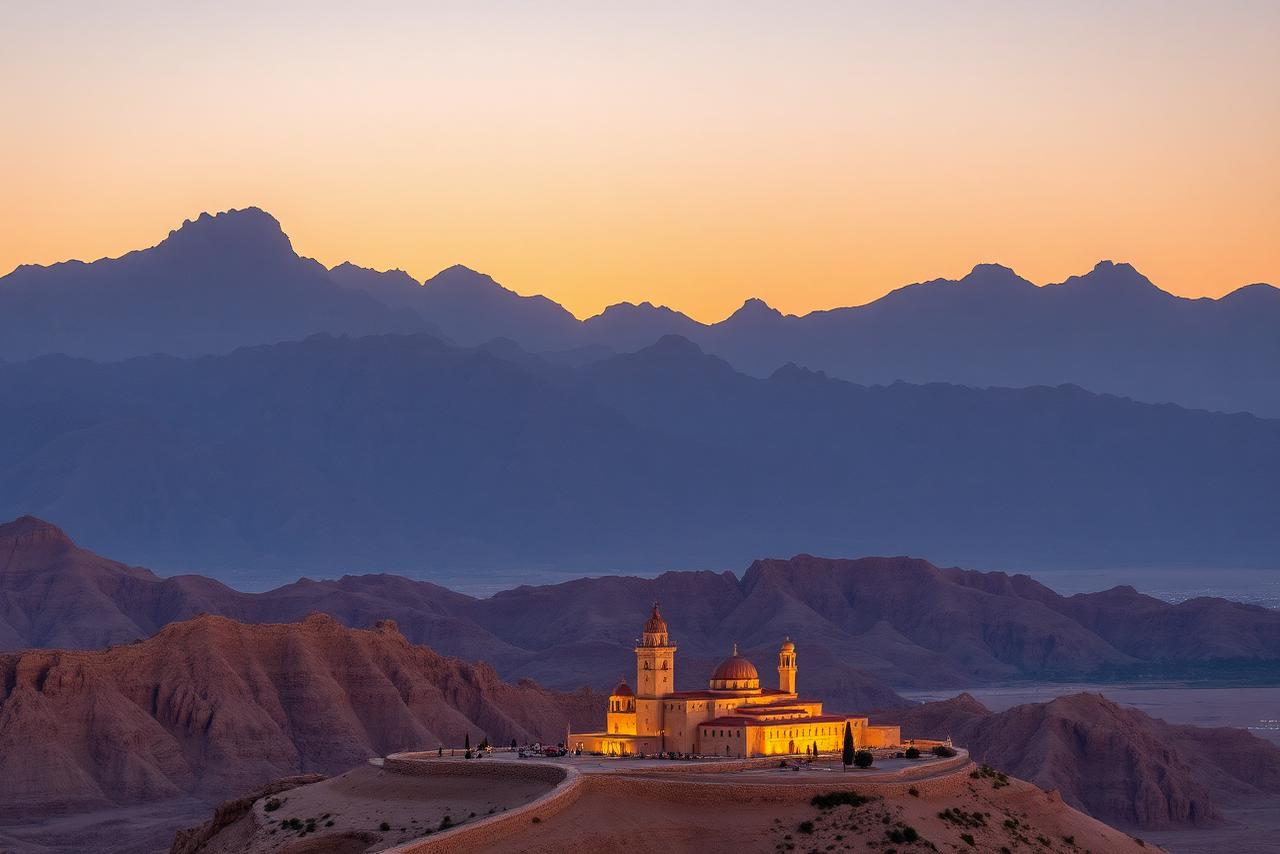
Sharm El Sheikh and Sinai Discovery
Snorkel Ras Mohammed, climb Mount Sinai at dawn and visit Saint Catherine, with two nights of Cairo history to open the trip.
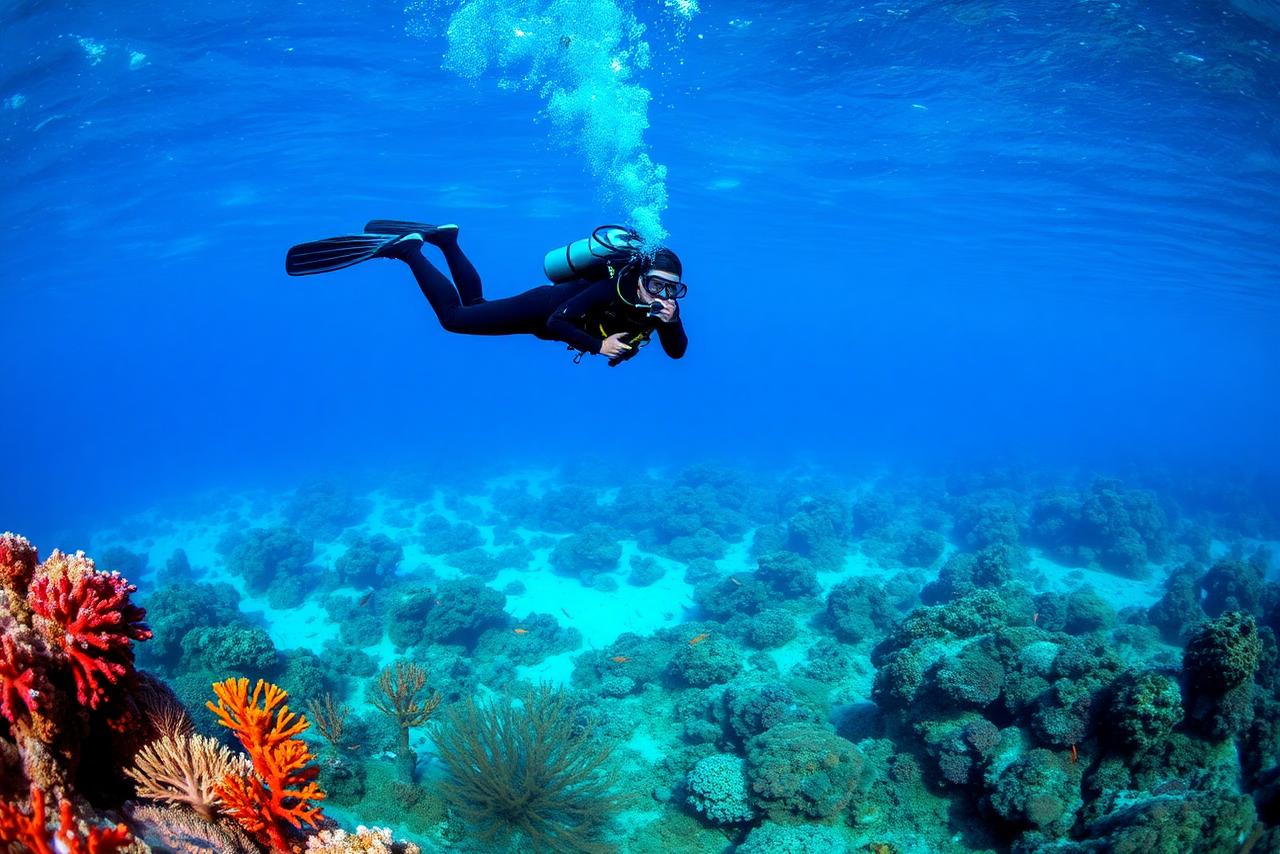
Red Sea Diving Expedition
Eight nights built around diving: Hurghada house reefs, Abu Nuhas wrecks and Giftun day boats, with Cairo history to finish.
Related guides
Egypt Travel Etiquette & Cultural Tips for Visitors
A practical guide to dress codes, tipping, greetings and everyday customs so you travel through Egypt with confidence.
Best Time to Visit Egypt for a Luxury Tour
Month-by-month temperatures, crowd levels and prices for Cairo, Luxor, Aswan and the Red Sea — and why the "best" month depends entirely on how you handle heat.
What to Pack for a Luxury Egypt Tour: Complete Checklist
A season-by-season packing list for Egypt from the team that runs these trips: what actually works in 40°C heat, what the tombs and mosques require, and what you can safely leave at home.