
Cairo
Cairo Egypt Pyramid Tours: Classic Sights Done Right
How to structure a Cairo pyramid tour that covers Giza, Saqqara and the museum without rushing, plus what most first-time visitors get wrong.
Most first-time visitors to Egypt arrive with a single mental image: the pyramids, seen from a distance, with a camel somewhere in the foreground. That's a fine starting point, but Cairo's pyramid fields are larger and more layered than that image suggests, and the difference between a rushed, unsatisfying day and a genuinely memorable one usually comes down to how the day is structured, not how much money is spent.
Understanding the Geography
Cairo's pyramid sites aren't one location but three, spread along roughly 30 kilometres of the Nile's west bank:
- Giza, the closest to central Cairo, home to the three great pyramids and the Sphinx.
- Saqqara, further south, site of the Step Pyramid of Djoser, generally considered the earliest large-scale stone monument in Egyptian history.
- Dahshur, further south still, with the Bent and Red Pyramids, both important transitional structures in the development of true pyramid construction, and usually the quietest of the three.
A single well-organised day can realistically cover Giza plus one of the other two sites, with driving time between them factored in.
A Sample Day Structure
| Time | Activity |
|---|---|
| Early morning | Arrive at Giza at or near opening for cooler temperatures and fewer crowds |
| Mid-morning | Explore the three pyramids, Sphinx and viewpoint |
| Late morning | Drive to Saqqara (around 30–45 minutes) |
| Midday | Visit the Step Pyramid complex and surrounding tombs |
| Afternoon | Lunch, then either Dahshur or the Grand Egyptian Museum, depending on interest and energy |
This pacing avoids the common mistake of trying to fit Giza, Saqqara, Dahshur and a museum into a single day, which tends to leave visitors exhausted and unable to properly absorb any one site.
The Museum Question
Cairo now has two major Egyptology collections worth considering alongside the pyramid sites:
- The **Grand Egyptian Museum guide**, near Giza itself, houses the full Tutankhamun collection and is generally the priority for first-time visitors.
- The older Egyptian Museum in downtown Tahrir Square still holds a significant collection and remains worth a visit for those with extra time in Cairo.
Given its proximity to Giza, many private itineraries pair the pyramids with the Grand Egyptian Museum on the same day, splitting the morning between monuments and the afternoon between galleries, or vice versa depending on opening hours on your date.
Private Tours vs Fixed Day Tours
Fixed group day tours from Cairo hotels typically bundle Giza with one other stop and run on a set schedule. A private Cairo tour, by contrast, can be reshaped around:
- How much time you actually want at each site rather than a fixed allocation.
- Whether you want the Great Pyramid interior ticket, which requires planning since numbers are limited daily.
- Combining Giza with Dahshur specifically, which fewer fixed group tours include since it's further out and less famous.
- A slower pace for families, older travellers, or anyone visiting during the hotter months.
For a deeper look at the Giza portion specifically, including ticket structure and timing, see Pyramids of Giza tours.
Combining a Pyramid Day With Alexandria
Some visitors extend their Cairo time with a day trip north to the Mediterranean coast. This works best as a separate day rather than combined with the pyramid fields, given the driving distances involved; see Alexandria day trip for how that fits into a longer Cairo stay.
Common Mistakes First-Time Visitors Make
- Visiting at midday. Heat and crowds both peak between roughly 11am and 3pm, particularly at Giza, which has no shade.
- Trying to see everything in one day. Giza, Saqqara, Dahshur and a museum in a single outing usually means rushing each site and remembering little of any of them clearly.
- Skipping Saqqara entirely. Many first-time visitors go straight from Giza to a museum, missing the Step Pyramid, which is genuinely significant as the origin point of stone pyramid construction and usually far less crowded than Giza.
- Not deciding on the pyramid interior ticket in advance. These sell in limited daily numbers and can't always be added as an afterthought once you're on site.
- Underestimating photography needs. Some interior spaces restrict or charge for photography; check before you go if this matters to you.
What to Bring
- Comfortable, closed shoes for uneven ground at all three sites.
- Sun protection: hat, sunscreen, sunglasses, particularly given the lack of shade at Giza and Dahshur.
- Water, ideally more than you think you'll need.
- Cash in small denominations for optional tips and any incidental purchases.
Putting It Together
A Cairo pyramid day works best when it's built around two well-chosen sites rather than an ambitious attempt at three or four, timed to avoid the midday heat, and paired with a guide who can explain what you're looking at rather than leaving you to read the outside of a stone structure unassisted. Whether that's Giza and Saqqara, or Giza and the Grand Egyptian Museum, the right combination depends more on your own interests and stamina than on any fixed formula.
If you'd like this built around your dates and interests, our Cairo tours can combine Giza, Saqqara, Dahshur and the museum in whatever order and pace suits your trip.
How Weather and Season Shape the Plan
Cairo's pyramid fields sit in open desert with no shade at any of the three sites, which makes the time of year almost as important as the time of day. Between June and August, midday ground temperatures on the plateau can climb well beyond what feels safe for a long, exposed walk, and a day that would take three unhurried hours in December can leave visitors overheated and eager to leave within ninety minutes in August. Winter months, from November through February, occasionally bring cool mornings that make an early start genuinely pleasant rather than merely tolerable, though desert nights and early mornings can be surprisingly cold, so a layer worth removing by mid-morning is a sensible addition to summer-focused packing advice. Shoulder seasons in spring and autumn tend to offer the best balance: warm but manageable days and long enough light for both an early Giza start and a late-afternoon Saqqara or Dahshur addition. Whatever the season, avoid scheduling the most physically demanding portion of the day, typically Giza itself given the walking involved between the pyramids and the Sphinx, for the hours around midday.
What a Guide Actually Adds at These Specific Sites
It's worth being concrete about what a knowledgeable guide contributes at Giza and Saqqara specifically, rather than treating "guide" as a generic add-on. At Giza, a guide can explain the engineering debates around how blocks weighing several tonnes were moved and raised without modern machinery, point out the subtle differences in construction technique between Khufu's, Khafre's and Menkaure's pyramids, and identify which parts of the Sphinx have been restored versus original. At Saqqara, the Step Pyramid complex is genuinely confusing without guidance: the surrounding wall, the dummy buildings that served no functional purpose beyond ritual symbolism, and the underground galleries are easy to walk past without understanding their significance. None of this is available on posted signage at either site, which is minimal by design to protect the monuments' appearance, so the choice is effectively between hiring a guide or relying on prior reading done at home.
Transport and Logistics From Central Cairo
Most Cairo hotels sit a reasonable but not trivial drive from Giza, typically thirty to sixty minutes depending on traffic and starting point, and traffic in Cairo can be unpredictable outside of very early morning hours. This is one of the practical reasons an early start matters beyond comfort at the site itself: leaving a downtown or Nile-side hotel by 7am generally avoids the worst of the morning traffic buildup, while a 9am or 10am departure can add considerably to driving time. Saqqara and Dahshur sit further south again, so the driving order (Giza first, then south to Saqqara or Dahshur, then back toward central Cairo) is more efficient than backtracking. A private driver familiar with current road conditions and any temporary closures around the plateau is generally more reliable here than a fixed group bus route, which has less flexibility to adjust if traffic is unusually heavy on a given morning.
Local Etiquette and On-Site Interactions
Both Giza and Saqqara see a steady presence of vendors, photographers offering to take your picture for a fee, and people offering camel or horse rides. None of this is unique to these sites within Egypt, but first-time visitors sometimes find the persistence surprising. A polite, firm decline, repeated if necessary without engaging further, is the normal and effective response, and having a guide present tends to reduce the frequency and intensity of these approaches considerably, since vendors generally direct their attention toward visitors who appear to be navigating the site alone. If you do want a camel or horse ride, agreeing the price clearly before mounting avoids the disputes over cost that occasionally arise afterward; a guide can also handle this negotiation on your behalf if you'd rather not.
Budgeting Time for the Grand Egyptian Museum Properly
Given its proximity to Giza, it's tempting to treat the Grand Egyptian Museum as a quick add-on to a pyramid morning, but the collection is large enough to reward a genuinely separate block of time rather than a rushed hour at the end of a tiring day. Visitors who want to see the full Tutankhamun collection in reasonable depth, along with the grand staircase and the wider galleries, generally do better allocating either a full afternoon after a Giza-only morning, or treating the museum as its own half-day on a separate visit entirely. Trying to fit Giza, Saqqara and the museum into one day tends to shortchange whichever site comes last, usually the museum, simply through visitor fatigue by that point in the day.
A Note on Family Groups and Older Travellers
Families travelling with children, and groups that include older relatives, generally benefit from a slightly more conservative version of the day structure described above: Giza in the cooler early hours, a proper sit-down lunch break rather than a quick stop, and a choice between Saqqara or the museum in the afternoon rather than attempting both. The walking distances at Giza and Saqqara are manageable for most fitness levels but involve uneven, sandy or gravelled ground rather than paved paths, which is worth factoring in for anyone with mobility considerations. A private itinerary can build in extra rest breaks or a slower pace without needing to negotiate this with a bus full of other travellers, which is one of the clearer practical advantages of private touring for exactly this kind of group.
Cairo and the Pyramids City Break
Four focused days across Giza, Saqqara and Dahshur, with the Grand Egyptian Museum and historic Cairo — ideal if your time in Egypt is short.
Frequently asked questions
Can you visit Giza, Saqqara and Dahshur all in one day?+
It's physically possible but tends to feel rushed, especially in warmer months. Most well-planned itineraries pair Giza with just one of the other two sites, or combine Giza with the Grand Egyptian Museum instead.
Is Saqqara worth visiting alongside Giza?+
Yes, Saqqara's Step Pyramid predates the Giza pyramids and is historically significant as an early stone monument, while typically drawing far fewer visitors, making for a quieter, contrasting experience on the same day.
What's the best order to visit Cairo's pyramid sites?+
Starting at Giza early in the morning, before heat and crowds build, then moving south to Saqqara or Dahshur for the afternoon, generally works best given the driving distances between the three sites.
Should I book the Great Pyramid interior ticket in advance?+
It's worth deciding before your visit day since these tickets are limited in number and can sell out, particularly during busier travel seasons. A private guide can usually help secure this ahead of time.
How long should I spend at the pyramids of Giza?+
Two to three hours is typically enough to see the three pyramids, the Sphinx and viewpoints at a comfortable pace, leaving time in the same day for a second site such as Saqqara or the Grand Egyptian Museum.
What is the best season to visit Cairo's pyramid sites?+
Shoulder seasons in spring (March-April) and autumn (October-November) tend to offer the best balance of warm, comfortable days and enough daylight to combine an early Giza visit with an afternoon at Saqqara or Dahshur. Summer months require an earlier start and shorter time on site given the heat.
Experience Egypt like never before
Our local experts are ready to craft a personalized itinerary that matches your dreams. Chat with us now or start designing your trip online.

Planning this trip?
Tell us your dates and interests and our team in Egypt will send a day-by-day plan with clear pricing.
Featured Tours for you
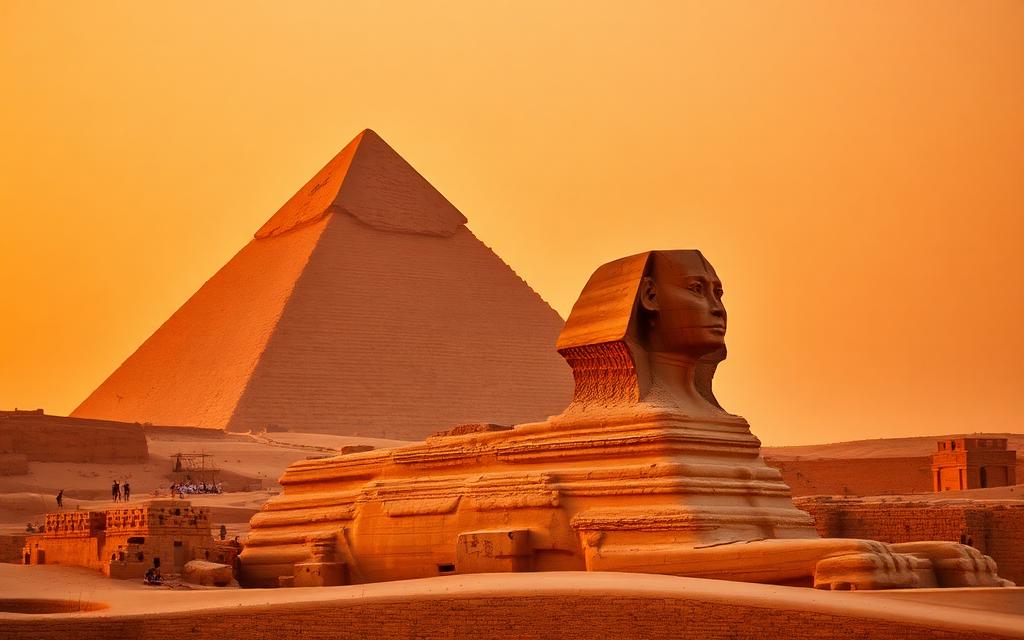
Cairo and the Pyramids City Break
Four focused days across Giza, Saqqara and Dahshur, with the Grand Egyptian Museum and historic Cairo — ideal if your time in Egypt is short.
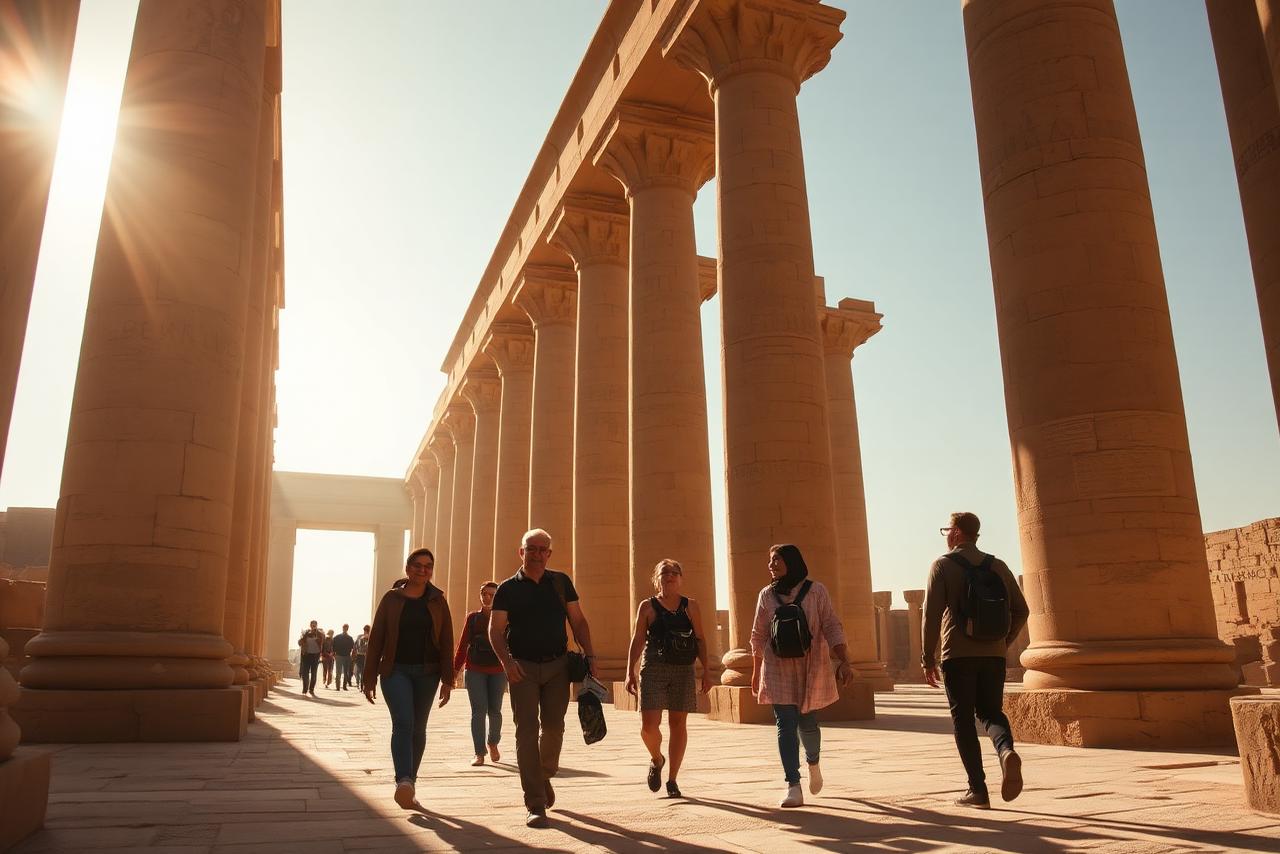
Egypt for Solo Travellers
A small-group departure with no single supplement, covering Cairo, a Nile cruise and Abu Simbel with a dedicated tour leader.
Related guides
The Grand Egyptian Museum: A Visitor's Guide
Everything you need to plan a visit to the Grand Egyptian Museum, from timed tickets to the full Tutankhamun galleries.
Alexandria Day Trip: Egypt's Mediterranean Jewel
Everything you need to plan a day trip from Cairo to Alexandria, from the fastest way to get there to what's genuinely worth your limited hours.
Pyramids of Giza Tours: What to Expect & How to Book
The best Pyramids of Giza tours pair a licensed Egyptologist with a private car, cover the three pyramids and the Great Sphinx, and give you the freedom to arrive early before the crowds.