
Cairo
The Grand Egyptian Museum: A Visitor's Guide
Everything you need to plan a visit to the Grand Egyptian Museum, from timed tickets to the full Tutankhamun galleries.
The Grand Egyptian Museum sits on the Giza plateau road, close enough to the pyramids that you can see them from its atrium windows, and it has changed the shape of a Cairo visit more than any single opening in decades. After years of delay it now holds the full Tutankhamun collection together for the first time since the tomb was cleared in the 1920s, alongside tens of thousands of other pieces that had been in storage since the old Egyptian Museum in Tahrir Square ran out of room. If you are planning a trip that includes Pyramids of Giza tours, build a proper block of time for this museum rather than treating it as an add-on, because it now genuinely rivals the pyramids themselves as the headline reason to visit Cairo.
Why the Grand Egyptian Museum matters
This is not simply a bigger version of the downtown museum. The building is designed around sightlines to the Grand Egyptian Museum grounds and the Giza plateau beyond, so the display sequence is meant to be read as a journey from the Nile Valley's earliest kingdoms through to the golden age of the New Kingdom, ending with Tutankhamun's tomb goods as the climax. Objects that were previously squeezed into glass cases with typed cards from the 1950s are now lit and contextualised properly, and pieces that never went on public display before, including items from the boy king's tomb, are finally out of storage after decades in Cairo's basements and warehouses. For anyone who has visited the old Tahrir Square museum, the contrast is startling: air conditioning, clear sightlines, and a genuine sense of pacing rather than a warehouse of treasures crammed into too little space.
Planning your visit
Good planning matters more here than at almost any other Egyptian site, simply because of scale.
- Book timed tickets in advance. Entry is by dated, timed slot, and the busiest windows, mid-morning and school holidays especially, sell out well ahead.
- Allow at least three to four hours, more if you want to see the full Tutankhamun galleries at a reasonable pace rather than shuffling through with the crowd.
- Go early or go late. The first entry slot and the final two hours before closing tend to be noticeably calmer, and the light on the terrace is better in the late afternoon.
- Combine it sensibly. Many guests pair the museum with a half-day at the pyramids and Sphinx, either before or after, since the two sites are a short drive apart and share the same general area of Giza.
- Check current opening days. Hours have shifted more than once since opening as visitor numbers have settled, so confirm before you travel rather than relying on older guidebooks.
How long do you actually need
A rushed visit is possible in two hours if you go straight to the Tutankhamun galleries and the grand staircase. But the museum spans more than 5,000 years of material across dozens of galleries, and most travellers who have come a long way to be here regret moving too fast. A private Egyptologist guide is worth it here specifically because the labelling, while improved, still assumes a level of background knowledge that most first-time visitors do not have, and the sheer volume of objects means it is easy to miss pieces that matter simply through fatigue.
A realistic half-day plan
| Time | Focus |
|---|---|
| First 45 minutes | Grand staircase and the colossal statues, including the granite Ramses II |
| Next 90 minutes | Chronological galleries, Old Kingdom through New Kingdom |
| Following 90 minutes | Tutankhamun galleries in full |
| Final 30-45 minutes | Terrace views over the pyramids, gift shop, coffee |
If you have a full day rather than a half day, add a further hour for the Old Kingdom statuary and the solar boat displays, both of which are easy to underrate on a first pass.
The Tutankhamun galleries
These rooms are the reason most people finally make the trip. More than 5,000 objects from the tomb are shown together for the first time, including pieces that were too fragile or too numerous to display in Tahrir Square: chariots, beds, chests, jewellery, and the layered coffins and shrines that once surrounded the mummy. The famous gold mask remains the single most photographed object in the building, but the surrounding rooms, full of everyday items buried with the king, tell a richer and less obvious story about New Kingdom court life. Photography rules are stricter in some of these rooms than elsewhere in the museum, and flash is banned throughout, so it is worth understanding the museum photography rules before you go if getting good pictures matters to you.
Beyond Tutankhamun
It is easy to spend all your energy on one collection and miss the rest of what the museum has to offer. Do not skip:
- The Old Kingdom galleries, with statuary from Giza and Saqqara that predates Tutankhamun by well over a thousand years and shows a very different, more austere artistic style.
- The solar boat of Khufu, reassembled and displayed near the museum's Giza-facing windows, a genuine feat of ancient engineering that is easy to walk past too quickly.
- The children's museum and hands-on areas, genuinely useful if you are travelling with younger family members who need a change of pace partway through the visit.
- The temporary exhibition spaces, which rotate and sometimes carry loaned pieces not otherwise on public display in Egypt.
Getting there and combining with Cairo
The museum sits on the Cairo-Alexandria desert road, on the edge of Giza rather than downtown, so factor traffic into your timing whichever direction you are coming from, particularly at rush hour. Many of our guests combine a museum morning with an afternoon exploring Islamic Cairo or the markets, and it slots naturally into wider Cairo tours that also take in the Citadel, Khan el-Khalili and the older museum collections still on show in Tahrir Square. A private driver and guide make this pairing far less stressful than trying to arrange transfers independently.
Tips for a smoother day
- Wear comfortable shoes; the galleries alone involve a lot of walking before you even reach the staircase.
- Carry water and expect security screening similar to an airport at the entrance.
- The gift shop has a genuinely good range of museum-quality replicas if you want a proper souvenir rather than market trinkets.
- Avoid Fridays and public holidays if your schedule allows any flexibility at all, as domestic visitor numbers spike sharply on those days.
- Bring a light jacket or scarf; the galleries are air conditioned to a level that can feel cold after the Cairo heat outside.
A guide changes the experience
Because so much of the collection has never been displayed before, even well-read travellers find that a knowledgeable guide adds real depth: which pieces are new to public view, how the display order reflects current scholarship, and which of the thousands of objects are worth stopping for versus walking past. This is one of the sites where the difference between a rushed self-guided lap and a paced, narrated visit is largest, and it is also one of the few places in Egypt where a guide's ability to answer follow-up questions on the spot genuinely changes how much you take away from the day.
Ticket types and what they include
The museum offers a general admission ticket and a combined ticket that also covers the Tutankhamun galleries and, at times, a separate ticket for viewing the royal mummies where displayed. Prices and exact bundling have changed since opening, so check the official booking platform for the current structure rather than relying on older articles, ours included. Children generally receive reduced rates, and residents of Egypt are charged separately from international visitors, a distinction worth knowing if you are budgeting for a family group.
What surprises first-time visitors
Guests who have been to the old Tahrir Square museum, or who have read about Egyptology for years, are often struck by three things: the scale of the atrium and staircase, which is genuinely cathedral-like; the completeness of the Tutankhamun display, since many pieces were never exhibited before; and the amount of natural light throughout the building, which is unusual for an antiquities museum and changes how the stone carvings read compared with the dimmer, older galleries most visitors expect.
Seasonal considerations
Visiting in the cooler months between November and March means comfortable conditions for the walk between the car park, security screening and the entrance hall, none of which is fully air conditioned. In summer, an early morning slot avoids both the crowds and the worst of the heat outside the building, since queuing in direct Cairo sun in July is genuinely uncomfortable even for a short period. Whatever the season, the interior galleries themselves stay cool and comfortable throughout the day. This small extra margin of comfort, plus the option to retreat to the café terrace overlooking the plateau, is one reason many guests find a full day here passes far more easily than they expect for what is, at heart, a museum visit rather than an active day of sightseeing.
Final thoughts
The Grand Egyptian Museum rewards patience and planning far more than a quick tick-box stop. Give it the best part of a day, pair it with the pyramids themselves, and you will leave with a far clearer sense of how Egypt's ancient history actually fits together, from the earliest dynasties through to the treasures of a teenage king. If you would like this built into a wider Cairo programme with private transfers and a dedicated guide, our team can put a day-by-day plan together around it.
Cairo and the Pyramids City Break
Four focused days across Giza, Saqqara and Dahshur, with the Grand Egyptian Museum and historic Cairo — ideal if your time in Egypt is short.
Frequently asked questions
How long should I spend at the Grand Egyptian Museum?+
Plan for at least three to four hours to see the chronological galleries and the full Tutankhamun collection without rushing. Serious enthusiasts often prefer a full day, especially if combining it with time on the terrace overlooking the pyramids.
Do I need to book tickets in advance?+
Yes, entry is by dated and timed ticket, and popular slots sell out during peak season and school holidays. Booking ahead also lets you plan the rest of your Cairo day around a confirmed entry time.
Is the Grand Egyptian Museum near the pyramids?+
Yes, it sits on the edge of the Giza plateau, close enough that several galleries and the terrace look directly towards the pyramids. Many visitors combine a museum visit with pyramid touring on the same day.
Can I take photographs inside the museum?+
Photography is generally allowed in most galleries but flash is banned throughout, and some rooms in the Tutankhamun galleries have additional restrictions. It is worth checking current signage on the day, as rules have been refined since opening.
Is a guide worth it at the Grand Egyptian Museum?+
Given how much of the collection is newly on public display, a knowledgeable guide adds real context that the gallery labelling does not fully cover. It also helps you prioritise which of the thousands of objects deserve your limited time.
Experience Egypt like never before
Our local experts are ready to craft a personalized itinerary that matches your dreams. Chat with us now or start designing your trip online.

Planning this trip?
Tell us your dates and interests and our team in Egypt will send a day-by-day plan with clear pricing.
Featured Tours for you
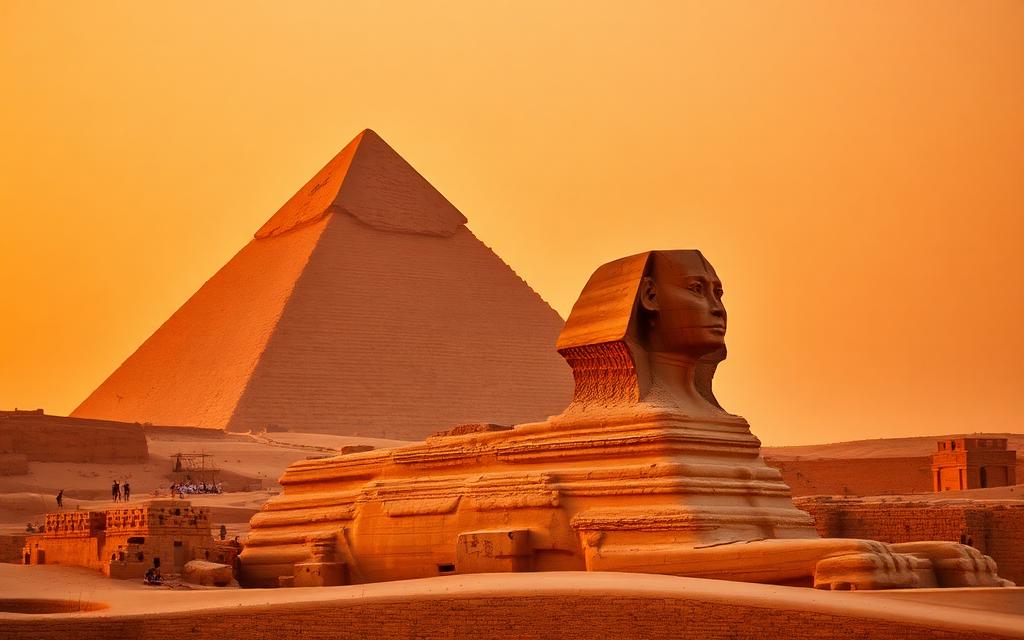
Cairo and the Pyramids City Break
Four focused days across Giza, Saqqara and Dahshur, with the Grand Egyptian Museum and historic Cairo — ideal if your time in Egypt is short.
Egypt for Solo Travellers
A small-group departure with no single supplement, covering Cairo, a Nile cruise and Abu Simbel with a dedicated tour leader.
Related guides
Cairo Egypt Pyramid Tours: Classic Sights Done Right
How to structure a Cairo pyramid tour that covers Giza, Saqqara and the museum without rushing, plus what most first-time visitors get wrong.
Alexandria Day Trip: Egypt's Mediterranean Jewel
Everything you need to plan a day trip from Cairo to Alexandria, from the fastest way to get there to what's genuinely worth your limited hours.
Pyramids of Giza Tours: What to Expect & How to Book
The best Pyramids of Giza tours pair a licensed Egyptologist with a private car, cover the three pyramids and the Great Sphinx, and give you the freedom to arrive early before the crowds.