Egypt Travel Advice
What to Pack for a Luxury Egypt Tour: Complete Checklist
A season-by-season packing list for Egypt from the team that runs these trips: what actually works in 40°C heat, what the tombs and mosques require, and what you can safely leave at home.
Egypt is a desert country with a river running through it, and almost every packing mistake we see comes from forgetting one half of that sentence. Travellers pack for heat and then shiver on a Nile cruise sundeck in January. Others pack for a conservative dress code and then discover their hotel has a pool they never use. This checklist is what we actually tell our own travellers before departure, organised by when you are going and where you will be standing.
The short version
If you read nothing else: bring loose long clothing in natural fabrics, closed walking shoes you have already broken in, a wide-brimmed hat, high-factor sunscreen, a scarf, a refillable water bottle, and a light layer for evenings and over-air-conditioned interiors. Everything else on this page is refinement.
Clothing that works in Egypt
The most comfortable travellers we guide are not the ones in the least clothing — they are the ones covered in the lightest clothing. Loose linen and cotton keep the sun off your skin, which matters far more than airflow when the Giza plateau is at 38°C with no shade.
- Two or three pairs of loose trousers in linen, cotton or technical fabric. These carry you through temples, mosques and dinner.
- Long-sleeved shirts in light colours. Long sleeves are cooler in direct sun than bare arms.
- A scarf or pashmina. Women need one to cover their hair inside mosques; everyone uses one against dust and sun.
- One smart-casual outfit for dinner on a luxury cruise ship or at a Cairo restaurant. Nothing formal is required, but jackets and dresses do not look out of place.
- Swimwear. Every good hotel and cruise ship has a pool. Bikinis are fine at hotel pools and Red Sea resorts, less so at public beaches.
What to wear at religious sites
Mosques and churches ask for knees and shoulders covered, and women cover their hair inside mosques. Shoes come off at the mosque door, so slip-on shoes are genuinely useful on a Cairo day that includes the Citadel and Khan el-Khalili. Our guides carry spare scarves, but it is easier to have your own. There is more detail in our guide to Egypt travel etiquette.
Footwear
Tomb floors are uneven, temple ground is loose stone and sand, and the walk from the coach to the Valley of the Kings entrance is longer than people expect. Bring closed, broken-in walking shoes or sturdy trainers, plus sandals for the ship and hotel. Leave new shoes at home — the combination of heat, dust and 15,000 steps a day finds every seam.
Packing by season
| Season | Cairo daytime | Aswan daytime | What changes in your bag |
|---|---|---|---|
| Oct–Feb (peak) | 19–26°C | 24–30°C | Add a real jacket or fleece: desert nights and cruise sundecks drop sharply after sunset |
| Mar–Apr | 25–32°C | 32–38°C | Wind and khamaseen dust: sunglasses, scarf, eye drops |
| May–Sep | 33–40°C | 40°C+ | Maximum sun coverage, electrolyte sachets, second hat, cooling towel |
Timing changes far more than clothing — if your dates are still open, read best time to visit Egypt before you book flights.
Sun and heat kit
- SPF 50 sunscreen, more than you think, applied before you leave the hotel. It is available in Egypt but expensive and inconsistent.
- Wide-brimmed hat, not a cap. Ears and neck burn on the west bank.
- Sunglasses with real UV protection — the glare off pale limestone is intense.
- Refillable bottle. Our vehicles and cruise ships carry cold bottled water; a refillable bottle keeps it cold and cuts plastic.
- Electrolyte tablets. In summer, water alone is not enough.
Health and comfort
Bring a small kit rather than relying on pharmacies mid-itinerary: rehydration salts, anti-diarrhoeals, motion-sickness tablets if you are prone (the Abu Simbel road and short domestic flights), any prescription medication in original packaging with a copy of the prescription, hand sanitiser, and tissues — public restrooms at sites often have no paper. Egyptian pharmacies are excellent and widespread, so this is about convenience, not scarcity.
Documents and money
- Passport valid at least six months beyond arrival, plus a photocopy stored separately.
- Your e-visa printout or the visa-on-arrival fee in cash. Details are on our visa information page.
- Travel insurance policy number, saved offline.
- Cash in small denominations for tipping. Tipping is embedded in Egyptian service culture; small notes make it graceful.
- A card for hotels and shops, but never assume card acceptance at smaller sites.
Electronics
Egypt uses European two-pin type C and F sockets at 220V. Bring a universal adapter and a power bank — long days between charges are the norm. Camera rules vary by site: mobile phones are generally free, tripods and professional lenses often require a permit, and there is a separate photography ticket inside the Valley of the Kings. We cover the specifics in our guide to photography in Egypt.
Packing for a Nile cruise specifically
Cruise cabins are comfortable but compact, and laundry is available on board, so pack lighter than for a land-only trip. What genuinely matters on the river:
- A warm layer for sundeck evenings, even in spring and autumn.
- Sandals or deck shoes with grip.
- Something modest to throw over swimwear when you leave the sundeck.
- A small day bag for temple stops at Edfu and Kom Ombo.
If you are still deciding between a ship, a dahabiya and a felucca, our Nile River cruise guide compares them honestly.
What to leave at home
Drones — they are effectively prohibited without advance government permission and are routinely confiscated at the airport. Heavy hardback books, hairdryers (every hotel has one), excessive jewellery, and anything you would be upset to lose in transit. For current entry and customs rules, check your own government's advice, such as the UK FCDO Egypt travel advice.
The Kemet Tour packing checklist
- Loose long trousers ×3, long-sleeved shirts ×3, scarf, evening outfit, swimwear
- Broken-in closed shoes, sandals
- SPF 50, wide-brimmed hat, UV sunglasses, refillable bottle, electrolytes
- Medical kit, hand sanitiser, tissues
- Passport + copy, visa, insurance details, small-denomination cash
- Universal adapter, power bank, camera, spare memory
- Light jacket or fleece from October to March
Once your bag is sorted, the trip itself is the easy part. If you have not fixed your route yet, our team can build one around your dates — see Egypt private tour packages or tell us what you want on our design my trip page.
The Luxury Packing List: Essential Categories
Footwear: Function Meets Style
While you'll want elegant shoes for dinner at the Four Seasons or Ritz-Carlton, your daytime footwear must be robust. The terrain at sites like Saqqara or the Valley of the Kings is uneven, dusty, and rocky. A pair of high-quality, breathable walking shoes or supportive sandals with straps is non-negotiable.
Technology & Photography
- Power Bank: Long days of sightseeing and photography will drain your phone battery.
- Universal Adapter: Egypt uses Type C and F plugs (European standard).
- Polarizing Filter: Essential for cutting glare and enhancing the blue of the sky and the Nile in your photos.
- Spare SD Cards: You will take more photos than you expect.
Health & Wellness
- Rehydration Salts: The dry Egyptian heat can lead to dehydration quickly.
- Probiotics: Starting a course before your trip can help your digestive system adjust.
- Broad-Spectrum Sunscreen: Higher SPF than you think you need.
Cairo and the Pyramids City Break
Four focused days across Giza, Saqqara and Dahshur, with the Grand Egyptian Museum and historic Cairo — ideal if your time in Egypt is short.
Frequently asked questions
What should women wear in Egypt?+
Loose, lightweight clothing that covers shoulders and knees works everywhere and is far more comfortable in the sun. Carry a scarf for mosque visits, where hair must be covered. Swimwear is fine at hotel pools, Red Sea resorts and on cruise sundecks.
Do I need warm clothes in Egypt?+
Yes, between October and March. Daytime is mild to warm, but desert nights and Nile cruise sundecks get cold quickly after sunset, so pack a fleece or light jacket.
Can I bring a drone to Egypt?+
No. Drones require advance government permission and are routinely confiscated at the airport, so leave yours at home unless a permit has been arranged in advance.
How much cash should I bring for tipping?+
Bring a supply of small-denomination notes. Tipping is a normal part of Egyptian service culture and small notes handed directly are the easiest way to do it well; your guide can advise on typical amounts each day.
Can I wear shorts at the Pyramids?+
Yes, shorts are acceptable at major archaeological sites. However, we recommend knee-length or longer for better sun protection and respect for local norms.
Experience Egypt like never before
Our local experts are ready to craft a personalized itinerary that matches your dreams. Chat with us now or start designing your trip online.

Planning this trip?
Tell us your dates and interests and our team in Egypt will send a day-by-day plan with clear pricing.
Featured Tours for you
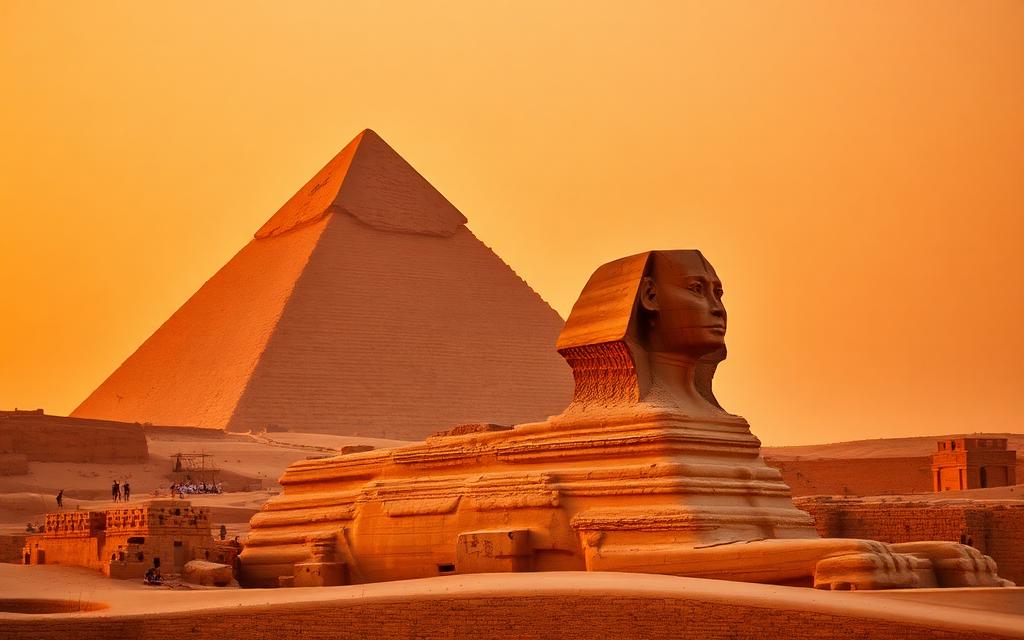
Cairo and the Pyramids City Break
Four focused days across Giza, Saqqara and Dahshur, with the Grand Egyptian Museum and historic Cairo — ideal if your time in Egypt is short.
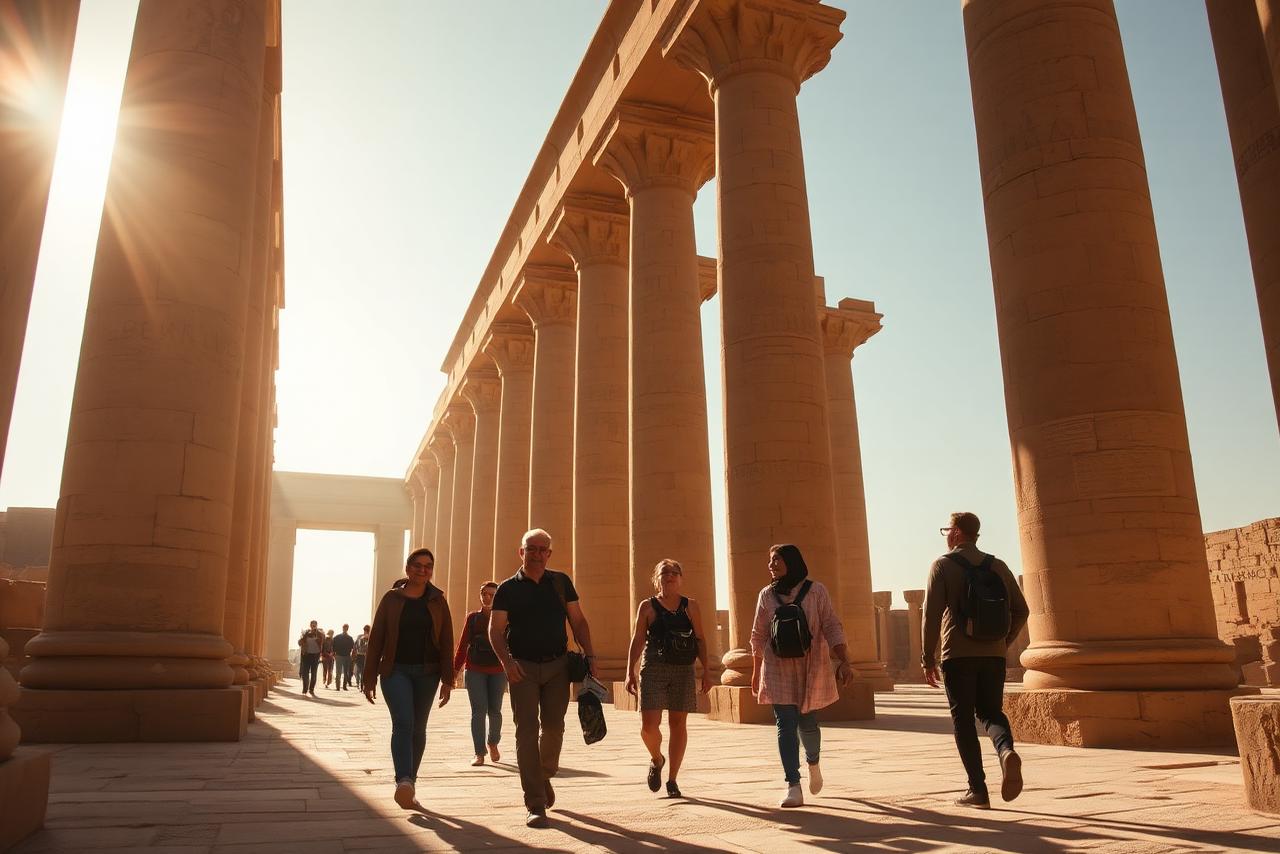
Egypt for Solo Travellers
A small-group departure with no single supplement, covering Cairo, a Nile cruise and Abu Simbel with a dedicated tour leader.
Related guides
Best Time to Visit Egypt for a Luxury Tour
Month-by-month temperatures, crowd levels and prices for Cairo, Luxor, Aswan and the Red Sea — and why the "best" month depends entirely on how you handle heat.
Egypt Travel Etiquette & Cultural Tips for Visitors
A practical guide to dress codes, tipping, greetings and everyday customs so you travel through Egypt with confidence.
Photography in Egypt: Capturing Iconic Sites in Style
A practical guide to camera rules, permits, light and etiquette for photographing Egypt's temples, tombs and markets well.