
Giza & the Pyramids
Pyramids of Giza Tours: What to Expect & How to Book
The best Pyramids of Giza tours pair a licensed Egyptologist with a private car, cover the three pyramids and the Great Sphinx, and give you the freedom to arrive early before the crowds.
Key takeaways
Half-day tours cover the three pyramids and the Sphinx, while full-day trips add Saqqara and Memphis for a complete Old Kingdom picture.
The Grand Egyptian Museum sits about two kilometers from the plateau and opened in November 2025, making a combined visit far more rewarding.
A private guided tour lets you set the pace, choose sunrise light, and skip the crowded midday rush at the plateau.
Camel and horse rides are optional add-ons; agree on the price and duration before you mount to avoid haggling later.
What guided tour options are available, from half-day to full experiences?
Guided Pyramids of Giza tours generally split into three lengths: a half-day plateau visit of four to five hours, a full day that reaches Saqqara and Memphis, and a two-day plan that also covers the Grand Egyptian Museum, which opened in November 2025 (National Geographic, 2025). Your choice depends on how much time you have and how deep you want to go.
A half-day tour is the most common. It centers on the Pyramid of Khufu, also called Cheops, along with the pyramids of Khafre and Menkaure, then finishes at the Great Sphinx and its valley temple. Guides usually build in a panorama stop where all three pyramids line up for photos.
The full-day option suits travelers who want context. After the plateau, you drive south to Saqqara and Memphis to see how Egyptian pyramid building started and evolved. It makes for a long day, so a private car and a planned lunch break matter.
A private tour also lets you time your entry. The plateau opens in the morning and fills quickly, so an early start rewards you with softer light and thinner crowds. That flexibility is one reason many first-time visitors book a private guided day rather than a fixed group departure.
What do private access experiences and camel rides actually involve?
Private access at Giza means a dedicated guide and vehicle, flexible timing, and help with tickets rather than roped-off areas closed to everyone else. Interior entry to the pyramids is a separate ticket sold in limited daily numbers, so booking ahead is the practical way to secure a spot inside the Great Pyramid.
Going inside is worth understanding before you commit. The passages are steep, low, and warm, and there is little to see in terms of decoration, since the burial chambers are bare. Travelers who are curious about the engineering find it memorable, while anyone uneasy in tight spaces may prefer to admire the structures from outside.
Camel and horse rides are the other classic add-on. Operators gather near the plateau and offer short rides along the desert edge, where you get the framed view of all three pyramids together. Prices are negotiable and often quoted high to visitors, so agree on the fee and the ride length before you climb on.
A private guide smooths this out. Your Egyptologist can arrange a fair-priced ride with a known operator and stay with you, which removes the awkward haggling that catches many independent travelers off guard.
How do you combine Giza with Saqqara and Memphis?
Combining Giza with Saqqara and Memphis turns a single-site visit into a tour of the whole Old Kingdom story, and all three sit within a short drive south of Cairo. Saqqara lies roughly 30 kilometers from Giza, with Memphis, the ancient capital, sitting between them.
Saqqara is home to the Step Pyramid of Djoser, widely described as the oldest complete stone building complex in the world. Seeing it after Giza reverses the timeline in a useful way: Djoser's stepped design came first, and the smooth-sided pyramids at Giza represent the refined result of that experiment.
Memphis rounds out the picture. As the Old Kingdom capital, its open-air museum displays a colossal fallen statue of Ramesses II and a large alabaster sphinx. The stop is shorter than the other two but anchors why this stretch of desert mattered to ancient Egypt.
Because the three sites spread across a wide area, a full day works best with private transport and a guide who paces the route. Kemettour arranges the Giza, Saqqara, and Memphis loop as one itinerary, which keeps the driving efficient and leaves energy for the monuments rather than logistics.
What photography tips help you capture the Giza plateau?
The best plateau photography comes down to light and position: shoot early or late for warm, low-angle sun, and use the panorama viewpoint where the three pyramids align. Midday sun flattens the stone and washes out the sky, so timing shapes your results more than any camera setting.
Golden hour near sunrise and sunset gives the limestone a warm tone and long shadows that reveal the blocks' texture. An early start also means fewer people in your frames. For scale, place a camel, a person, or a car near the base so the sheer size of the structures reads in the photo.
The desert panorama point, where guides often stop, lets you capture Khufu, Khafre, and Menkaure in a single line. From there you can also frame the Cairo skyline behind the monuments, a contrast that surprises many first-time visitors.
Bring a cloth to keep sand off your lens, and carry water, since the open terrain has little shade. A wide-angle lens handles the full pyramid line, while a longer lens isolates the Sphinx against Khafre's pyramid behind it.
Why does a private guided tour maximize your visit?
A private guided tour maximizes your visit by giving you an expert narrator, control over timing, and someone to handle tickets, transport, and the informal vendors on the plateau. Egypt drew 15.7 million tourists in 2024 and aims for 30 million by 2028 (National Geographic, 2025), so the plateau grows busier each year, and a guide who knows the rhythm of the crowds is a real advantage.
A licensed Egyptologist turns a set of large stone shapes into a story you can follow, from how the blocks were quarried and raised to the purpose of the valley temples and the Sphinx. That context is what most independent visitors say they missed afterward.
There is also the practical side. Your guide secures interior tickets, arranges a fair camel ride, and steers you past the persistent sellers near the gates. When you add the Grand Egyptian Museum, with its roughly 872,000 square feet of floor space and around 5,000 Tutankhamun artifacts on display (National Geographic, 2025), a guide keeps the day moving and the highlights in focus.
To book, decide on your length first: half-day for the plateau alone, or a full day with Saqqara and Memphis. Then reach out to a private operator like Kemettour with your dates, confirm whether you want interior pyramid access, and set an early start time so you meet the monuments in their best light.
Cairo and the Pyramids City Break
Four focused days across Giza, Saqqara and Dahshur, with the Grand Egyptian Museum and historic Cairo — ideal if your time in Egypt is short.
Frequently asked questions
How long does a Pyramids of Giza tour take?+
A focused half-day tour of the plateau runs about four to five hours. Adding Saqqara and Memphis turns it into a full day of roughly eight hours, including travel and lunch.
Can you go inside the pyramids?+
Yes. Interior access to the Great Pyramid of Khufu and the other two pyramids requires a separate ticket, sold in limited daily numbers. Book early, as inside entry sells out on busy mornings.
Is a camel ride at Giza worth it?+
A short camel or horse ride gives you a classic view of all three pyramids from the desert edge. Agree on the price and time in advance, since informal operators near the gate often quote inflated rates.
Should I combine Giza with the Grand Egyptian Museum?+
Combining them is worthwhile. The museum sits about two kilometers from the plateau and displays thousands of Tutankhamun artifacts, so many visitors pair the two on the same day.
Do I need a guide to visit the Pyramids of Giza?+
You can enter without one, but a licensed Egyptologist explains the layout, history, and context you would otherwise miss. A private guide also handles tickets, transport, and timing so you focus on the monuments.
Experience Egypt like never before
Our local experts are ready to craft a personalized itinerary that matches your dreams. Chat with us now or start designing your trip online.

Planning this trip?
Tell us your dates and interests and our team in Egypt will send a day-by-day plan with clear pricing.
Featured Tours for you
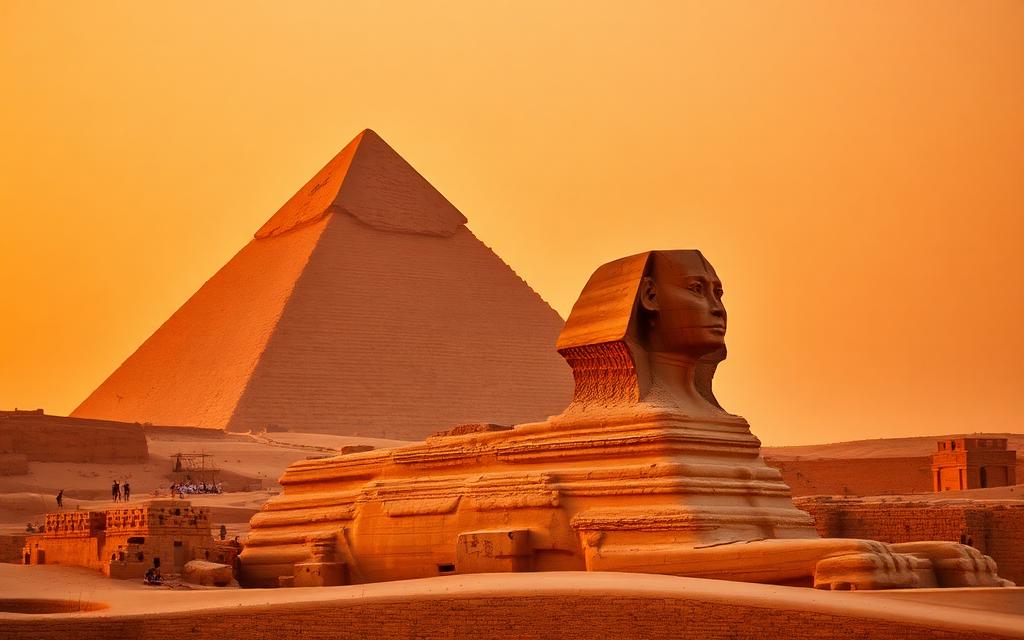
Cairo and the Pyramids City Break
Four focused days across Giza, Saqqara and Dahshur, with the Grand Egyptian Museum and historic Cairo — ideal if your time in Egypt is short.
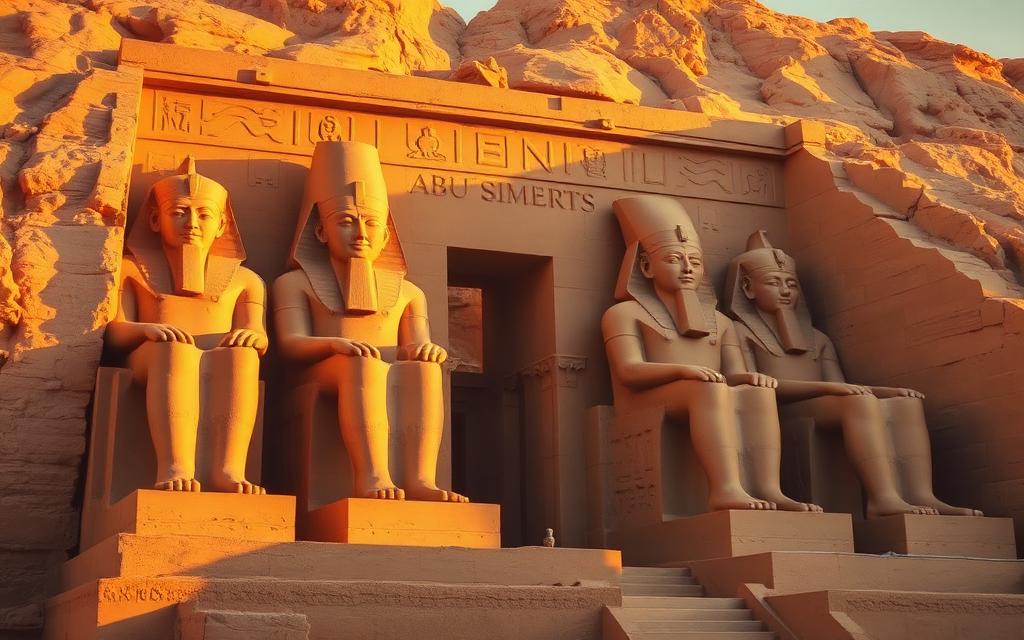
Best of Egypt with Abu Simbel
The classic route at a calmer pace, with the Abu Simbel temples added and extra time in both Cairo and Luxor.
Related guides
Nile Cruise Planning: Practical Tips for First-Time Travelers
How Nile cruises actually work: routes, ship types, what is included, which temples you see on which day, and how to choose between a cruise ship, a dahabiya and a felucca.
Best Time to Visit Egypt for a Luxury Tour
Month-by-month temperatures, crowd levels and prices for Cairo, Luxor, Aswan and the Red Sea — and why the "best" month depends entirely on how you handle heat.
What to Pack for a Luxury Egypt Tour: Complete Checklist
A season-by-season packing list for Egypt from the team that runs these trips: what actually works in 40°C heat, what the tombs and mosques require, and what you can safely leave at home.