
Nile Cruises
Nile Cruise Egypt: The Ultimate Guide to Choosing the Right Sailing
A step-by-step guide to choosing between ship types, cruise lengths, sailing directions and cabin categories on the Nile.
Booking a Nile cruise means making several decisions at once: which type of vessel, how many nights, which direction to sail, and which cabin category. Each choice affects the trip in ways that aren't obvious from a brochure, and getting them right up front avoids the two most common regrets - a sailing that felt too short to properly see Luxor, or a schedule that didn't fit around flights. This guide works through the decisions in order.
Step One: Ship, Motor Yacht or Dahabiya
The first fork in the road is vessel type. A five-star cruise ship (150-300 guests) gives you a pool, spa, entertainment and the reassurance of a full hotel-style schedule. A dahabiya (8-24 guests) trades those facilities for a slower, quieter, more private sailing under sail. A boutique motor yacht (40-80 guests) sits between the two. If facilities and a lively atmosphere matter to you, choose a ship. If quiet decks and intimacy matter more, choose a dahabiya. Our detailed breakdown of the comparison of luxury Nile cruise ships covers this decision in more depth if you want to compare specific vessels.
Step Two: 3 Nights, 4 Nights, or Longer
Nile cruise itineraries are almost always sold in standard blocks:
- 3-night cruise (Luxor to Aswan): Covers Luxor's east and west banks, Edfu, Kom Ombo and Aswan. This is the shorter, more common option and suits travellers combining the cruise with a broader Egypt itinerary.
- 4-night cruise (Aswan to Luxor): Follows the same route in reverse with typically one extra half-day, often used to add Abu Simbel at the start in Aswan before boarding.
- 7-night cruise: Rare on the classic route but available on some dahabiyas and specialist itineraries, allowing a genuinely unhurried pace with extra stops at smaller sites and riverbank villages.
| Length | Nights | Best for |
|---|---|---|
| 3 nights | Luxor to Aswan | Shorter trips, first-time visitors, combining with Cairo and Red Sea |
| 4 nights | Aswan to Luxor | Travellers who want Abu Simbel added at the start, slightly less rushed pace |
| 7 nights | Either direction | Dahabiya sailings, slow travel, repeat visitors |
The difference between three and four nights often comes down to a single extra afternoon and a different order of sites, rather than a dramatically different itinerary, so don't over-index on this choice if your dates are otherwise fixed.
Step Three: Which Direction to Sail
Luxor to Aswan sailings travel downstream (following the current), typically over three nights. Aswan to Luxor sailings travel upstream, typically over four nights, often because upstream travel takes marginally longer against the current. Beyond the logistics, direction matters for trip sequencing:
- Starting in Aswan lets you see Abu Simbel and Philae early, then arrive in Luxor for the temples of Karnak and the Valley of the Kings toward the end of the trip, which some travellers prefer as a stronger finish.
- Starting in Luxor puts the Theban monuments first and ends in Aswan, which suits itineraries continuing on to Abu Simbel as a final side trip before flying home or on to Cairo.
Neither direction is objectively better; it is mostly a question of how you want the trip to build and what connects most easily with your flights.
Step Four: Cabin Category
On cruise ships, cabin categories usually range from standard river-view cabins to suites with private balconies. On dahabiyas, cabin sizes vary less dramatically, but position on the boat (upper deck versus lower deck, bow versus stern) affects noise and light. A few general rules of thumb:
- Upper-deck cabins are quieter and brighter but can be warmer without good air conditioning.
- Cabins near the engine room, common on lower decks, are noisier at night when the ship is moving between ports.
- A private balcony is worth the upgrade on longer sailings if photography or simply relaxing in your cabin matters to you.
Matching the Cruise to the Rest of Your Trip
A Nile cruise rarely stands alone; it usually sits inside a wider Egypt itinerary alongside Cairo, Giza and possibly the Red Sea. Timing the cruise correctly against these other legs avoids wasted travel days. If you are still deciding how much time to give Luxor versus Aswan themselves, before or after the cruise, our comparison Luxor vs Aswan is a useful companion piece. For the fundamentals of what a Nile cruise includes day to day, see our complete Nile cruise guide.
Felucca and Alternative Sailings
Travellers looking for a shorter, lower-cost way to experience sailing on the Nile - typically an afternoon or overnight trip near Aswan rather than a multi-day itinerary between cities - should look at felucca alternatives, which cover a genuinely different category of experience from the cruises discussed here.
Timing Your Sailing Around the Seasons
Nile cruise demand peaks in the cooler months from October to April, when daytime temperatures are far more comfortable for shore excursions. Sailing in the hotter months from May to September is possible and often less crowded, but excursions need to be scheduled around the cooler parts of the day. Our guide to the best months to sail breaks this down month by month if your travel dates are flexible.
A Simple Decision Checklist
Before booking, it helps to answer these questions in order:
- Do you want ship facilities or dahabiya intimacy?
- Is three nights enough, or would you rather have four (or more) to slow the pace down?
- Does starting in Luxor or Aswan fit your onward flights and the rest of your itinerary better?
- Is a balcony cabin worth the extra cost for you?
- Are your dates inside the cooler high season, or will you need to plan excursion timing around summer heat?
Cabin Choice and Deck Position in More Detail
Beyond the basic upper-deck-versus-lower-deck advice, a few finer points are worth knowing before you pick a cabin category. Forward-facing cabins on the bow catch the most dramatic views as the ship approaches a temple mooring, but can feel the engine's vibration less than stern cabins yet more motion in open water on windier stretches. Cabins directly below the pool deck sometimes pick up noise from deck furniture being moved early in the morning, which matters if you value a slow start. On dahabiyas, cabins amidships tend to be the most stable and quietest, since they sit closest to the boat's centre of gravity. If two cabin categories are similarly priced, it is almost always worth paying the small difference for a private balcony over a fixed window, since the balcony gets far more use than most guests expect once the scenery starts moving.
Itinerary Direction: A Second Look
The direction question deserves more than a one-line preference. Beyond Abu Simbel sequencing, direction affects the order in which you experience Egypt's history chronologically. Sailing Aswan to Luxor moves you roughly backward through dynastic history, from the Ptolemaic-era Philae Temple to the New Kingdom monuments of Thebes. Sailing Luxor to Aswan does the reverse. Neither order is more or less coherent, but travellers with a strong interest in following the history in sequence sometimes have a preference once this is pointed out. Direction can also affect which excursions happen in the cooler morning versus the warmer afternoon on a given day, since itineraries are not simple mirror images of each other - ask your operator for the specific daily schedule rather than assuming it is identical in reverse.
Shoulder-Season Considerations
October, April and early May sit in the shoulder season between the cooler peak months and full summer heat. Sailing in these windows often means smaller crowds at temple sites and slightly better availability on premium cabins, without the more demanding midday heat of June through August. The trade-off is that shoulder-season weather is less predictable: a late heatwave in April or an early cool snap in October can shift the comfort level of an excursion by several degrees either way. If your dates fall in the shoulder season, ask your operator whether excursion timings are adjusted seasonally, and pack for a wider temperature range than you would for a firmly midwinter sailing.
What Is and Is Not Included
Nile cruise fares vary considerably in what they bundle versus charge separately, and this is one of the most common sources of a larger-than-expected final bill. Fares generally include the cabin, full board on the ship, and a set list of core excursions with a licensed guide. What is commonly excluded, and worth confirming before booking:
- Entrance tickets to optional add-on sites not on the standard itinerary
- Alcoholic drinks and sometimes bottled water beyond a welcome bottle
- Tipping for the crew and guide, which follows local customary rates
- Spa treatments and some onboard shopping
- A private guide upgrade if the standard excursions are run as shared groups
- Visa costs and international or domestic flights connecting to the cruise
Asking for a full inclusions list in writing before booking removes almost all of this ambiguity and makes it far easier to compare two seemingly similar-priced sailings on a like-for-like basis.
Common Booking Mistakes
A few mistakes come up repeatedly when travellers book a Nile cruise without a clear plan:
- Booking a 3-night cruise expecting it to include Abu Simbel. It does not; Abu Simbel is a separate excursion from Aswan, before or after the cruise itself.
- Assuming all cabins on a ship are equivalent. Cabin category, deck and position all affect the experience meaningfully, and the cheapest category is not always a fair trade against the price difference.
- Not confirming the sailing direction against onward flights. A cruise ending in the wrong city relative to your next flight can add an unplanned transfer day.
- Overlooking the tipping and drinks budget. These add up over several days and are easy to underestimate if you only budget against the headline fare.
- Booking too late in high season and settling for a lower cabin category than intended. The best cabins on the most popular sailings can sell out months ahead of October to April departures.
Book With Confidence
Choosing the right sailing is mostly about matching the vessel and schedule to how you like to travel, not about finding a single "best" cruise. Browse our current Nile cruise sailings or get in touch and we'll match a ship, route and cabin category to your dates and priorities.
The Hierarchy of Nile Sailing: From Feluccas to Five-Star Ships
Choosing how to sail the Nile is as important as choosing which temples to visit. The experience varies wildly depending on your choice of vessel.
1. Traditional Nile Cruise Ships (Large Vessels)
These are the most common way to experience the river. They typically feature 40 to 60 cabins, a sundeck with a pool, and a large dining room.
- Best For: First-time visitors, families, and those who enjoy social environments and predictable amenities.
- Pros: Stable sailing, consistent Wi-Fi (usually in public areas), and structured schedules.
2. Dahabiyas (Boutique Sailing)
A Dahabiya is a traditional twin-masted sailing boat. With only 4 to 10 cabins, they offer the most intimate and authentic experience.
- Best For: Luxury travelers, couples, and those seeking silence and exclusive access to smaller islands.
- Pros: No engines (sailing or being towed by a small tug), docking at smaller sites where large ships cannot go, and personalized cuisine.
3. Feluccas (Day Sailing)
Feluccas are simple wooden boats without cabins. While iconic for a sunset sail in Aswan, they are rarely recommended for multi-day travel unless you are prepared for camping-style conditions.
Strategic Routes: Luxor to Aswan vs. Aswan to Luxor
- Luxor to Aswan (4 Nights): Allows for a more relaxed pace. You typically spend the first night in Luxor, giving you more time for the East and West Banks.
- Aswan to Luxor (3 Nights): A slightly faster pace, often preferred by those connecting from Abu Simbel.
Essential Booking Tips
- Cabins: Always request a cabin on an upper deck to avoid engine noise and smell.
- All-Inclusive vs. Full Board: Most luxury cruises are full board (meals included, drinks extra). Clarify this before booking to manage your budget.
Cairo and the Pyramids City Break
Four focused days across Giza, Saqqara and Dahshur, with the Grand Egyptian Museum and historic Cairo — ideal if your time in Egypt is short.
Frequently asked questions
Should I choose a 3-night or 4-night Nile cruise?+
A 3-night cruise runs Luxor to Aswan and covers the same core sites as the 4-night Aswan to Luxor version, which typically adds one extra half-day and is often paired with an early visit to Abu Simbel. Choose based on your onward flights and whether you want a slightly more relaxed pace.
Is it better to start a Nile cruise in Luxor or Aswan?+
Starting in Aswan lets you see Abu Simbel and Philae early and finish with Luxor's major temples, while starting in Luxor puts the Theban monuments first. Neither direction is better overall; it depends on how you want the trip to build and which flights you're using.
What is the difference between a cruise ship and a dahabiya sailing?+
A cruise ship carries far more guests and offers full facilities like a pool, spa and entertainment, while a dahabiya is a small sailing boat carrying a handful of cabins with a quieter, more flexible pace and simpler facilities.
How do I pick a cabin on a Nile cruise?+
Upper-deck cabins tend to be quieter and brighter, while cabins near the engine room can be noisier when the ship is moving. A private balcony is worth considering on longer sailings if you value extra space and views from your cabin.
When is the best time to book a Nile cruise?+
The cooler months from October to April are the most popular and comfortable for excursions, so cabins book up furthest in advance for those dates. Summer sailings are less crowded but require scheduling excursions around the hottest part of the day.
Experience Egypt like never before
Our local experts are ready to craft a personalized itinerary that matches your dreams. Chat with us now or start designing your trip online.

Planning this trip?
Tell us your dates and interests and our team in Egypt will send a day-by-day plan with clear pricing.
Featured Tours for you
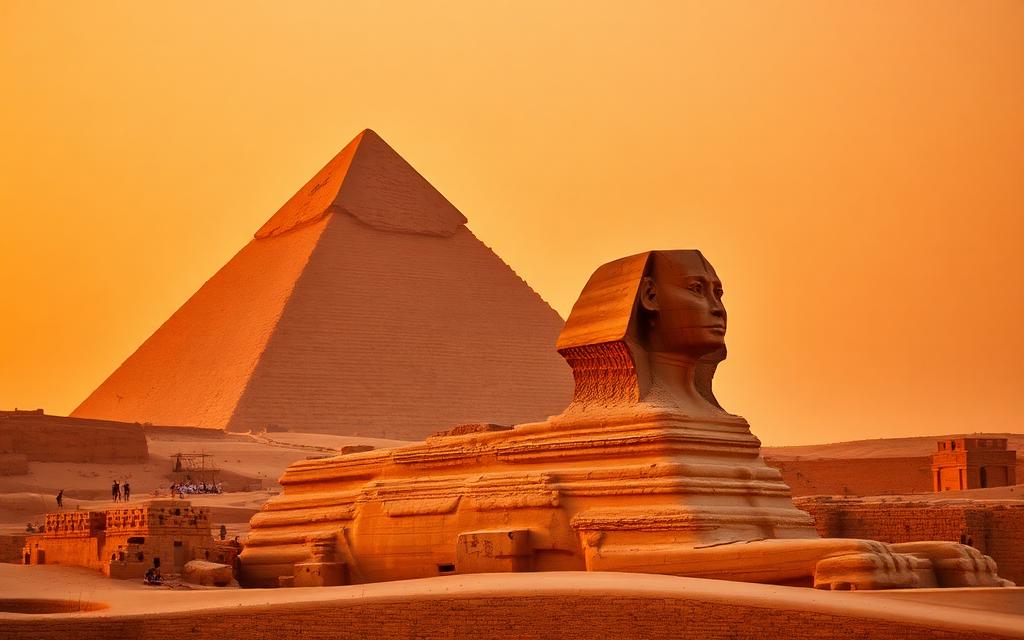
Cairo and the Pyramids City Break
Four focused days across Giza, Saqqara and Dahshur, with the Grand Egyptian Museum and historic Cairo — ideal if your time in Egypt is short.
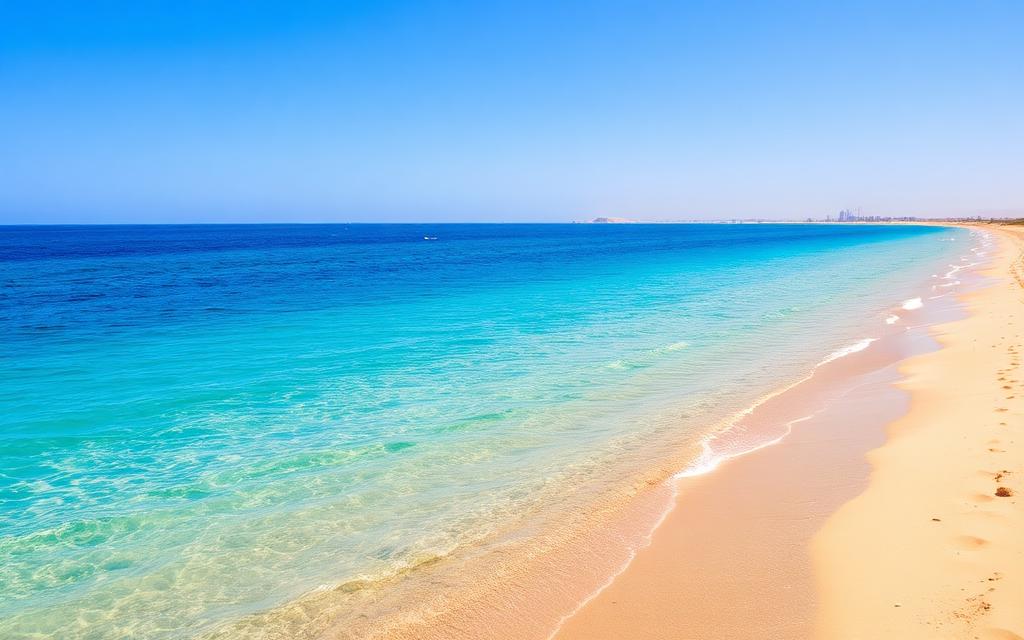
Cairo, Nile Cruise and Hurghada
Ancient Egypt first, Red Sea second: temples and tombs followed by warm water, reef snorkeling and unhurried beach days.
Related guides
Nile Cruise Planning: Practical Tips for First-Time Travelers
How Nile cruises actually work: routes, ship types, what is included, which temples you see on which day, and how to choose between a cruise ship, a dahabiya and a felucca.
Felucca vs Nile Cruise: Which Sail Is Right for You?
A practical comparison of felucca sails, dahabiyas and Nile cruise ships, so you can choose the right way to sail the Nile.
Luxury Nile Cruises: Boutique Sailing & Private Dahabiyas
From five-star cruise ships to intimate dahabiyas, here is how the different tiers of luxury Nile sailing compare.