
Honeymoon & Couples
Honeymoon in Egypt: A Romantic Luxury Itinerary
A day-by-day guide to planning a romantic, private Egypt honeymoon, from Nile sailings to a Red Sea finish.
Egypt is an unusual honeymoon choice on paper, all temples and traffic and heat, and yet it consistently produces some of the most memorable trips we plan, because it forces couples to slow down together in a way that a beach-only holiday rarely does. The best Egyptian honeymoons balance the cultural heavyweights, Cairo, Luxor, the Nile itself, with genuine quiet: a private sailing at sunset, a rooftop dinner overlooking the river, a few days at the Red Sea afterwards to simply do nothing. Done well, it reads less like a sightseeing tour and more like a slow, layered love letter to one of the oldest civilisations on earth.
Why Egypt works for honeymoons
The country offers something few destinations combine: extraordinary, world-famous monuments alongside genuinely private, romantic settings. A dahabiya under sail on the Nile at dawn, with nobody else in sight, is as intimate as travel gets, and it sits within the same trip as the pyramids and Karnak. Our Egypt honeymoon itinerary is built around this contrast deliberately, alternating between full days of guided exploring and slower, private stretches designed purely for the two of you.
A sample romantic route
Most honeymoon itineraries we design run ten to twelve days and follow a similar shape, adjusted for how much beach time a couple wants at the end.
| Days | Focus |
|---|---|
| 1-3 | Cairo and Giza: pyramids, the Grand Egyptian Museum, a private rooftop dinner |
| 4-7 | Luxor to Aswan by Nile cruise or dahabiya, with private felucca time |
| 8-9 | Abu Simbel or Aswan's Nubian villages, quieter and less visited |
| 10-12 | Red Sea extension for beach and diving days |
Choosing how you sail
This is the single decision that shapes the romantic feel of the whole trip. A standard cruise ship gives you comfortable cabins and a fixed schedule shared with other guests; a dahabiya, a smaller traditional sailing boat, carries far fewer passengers and moves at the wind's pace rather than an engine's, which makes it the more private and arguably more romantic option. We cover the difference in detail in our guide to luxury Nile sailing, and most honeymooning couples who can stretch the budget choose the dahabiya once they understand what it actually feels like day to day.
What a private sailing adds
- Meals served on deck, timed around sunrise and sunset rather than a set dining hall schedule
- The option to moor overnight in quiet spots away from other boats
- A far smaller passenger count, often single-digit cabins, so the whole experience feels chartered rather than shared
- Flexibility to stop for a swim, a village visit or simply to watch the light change over the water
Cairo: the romantic case for the capital
Cairo rarely gets credit as a romantic city, but a well-planned couple of days here sets the tone for the whole trip. Watching sunset from a felucca on the Nile, dinner at a rooftop restaurant with the pyramids lit in the distance, or a quiet early-morning visit to Giza before the coach tours arrive are all genuinely moving experiences shared together rather than crowded ones. Pairing these moments with the practical sightseeing, the pyramids, Sphinx and the Grand Egyptian Museum, gives the Cairo leg both substance and romance.
Luxor and the Theban temples
By the time most couples reach Luxor they have settled into the rhythm of the trip, and this is where the temples themselves become the centrepiece: Karnak at dawn before the crowds, the Valley of the Kings in the cooler hours, and a sunset balloon ride over the west bank if timing allows. None of this needs to feel rushed if the itinerary has been built with enough breathing room between sites, which is one of the clearest markers of a well-planned honeymoon versus a generic group tour.
Extending to the Red Sea
Almost every honeymoon we plan ends with a Red Sea extension, and for good reason. After a week of temples, tombs and early starts, three or four days on the coast at Hurghada or El Gouna gives the trip a proper close: private beach time, diving or snorkelling on the reef, and evenings with nothing scheduled at all. It is the part of the itinerary couples often remember most fondly precisely because it contrasts so strongly with the busier cultural days that came before it.
Practical touches that matter on a honeymoon
- Private guiding throughout. A shared coach tour is fine for solo travel, but a honeymoon benefits enormously from private guides and vehicles, so your pace is entirely your own.
- Room upgrades and special requests. Most hotels and boats will arrange a room with a view, a small celebration touch, or a quiet table for two if asked in advance.
- Timing around the heat. Scheduling sightseeing for early morning and late afternoon leaves the hottest hours free for the pool, the cabin, or simply resting together.
- A realistic pace. Two or three major sites a day is plenty; over-scheduling is the most common way we see honeymoons lose their romance.
Budgeting for an Egypt honeymoon
Costs vary enormously depending on whether you sail on a standard cruise ship or charter a private dahabiya, and whether your Red Sea stay is at a mid-range resort or a five-star property with a private beach. As a general shape, expect the Nile sailing and any private guiding to be the largest single cost, with the Red Sea extension often better value per night than the cultural leg. We build every itinerary around a stated budget rather than a fixed template, since honeymoon priorities differ so much from couple to couple.
Packing and small details that add up
A honeymoon is one trip where the small logistics genuinely affect the mood of the whole thing, so it is worth sorting them well in advance rather than on the day.
- Dress for both temples and dinners. Modest, breathable clothing works for sightseeing, but pack at least one or two smarter outfits for rooftop dinners and any celebration evenings your hotel or boat arranges.
- Confirm celebration touches ahead of time. Cake, flowers, a decorated cabin or a private table are all things Egyptian hotels and boats do well, but they need advance notice rather than a request on arrival.
- Carry cash for small tips. Guides, drivers and boat staff are tipped throughout Egypt, and having local currency on hand keeps these moments smooth rather than awkward.
- Protect your documents and devices. A single dry bag or pouch for passports, cards and phones is worth the small effort, particularly around water-based activities on the Nile and the Red Sea.
Why private guiding matters more on a honeymoon
A shared coach group works perfectly well for a solo trip or a family holiday, but it changes the character of a honeymoon considerably. With a private guide and vehicle, you can linger at a tomb that has caught your interest, skip a site that has not, and arrange your day around long lunches or quiet time back at the boat rather than a fixed group schedule. It also means intimate moments, a sunset at Karnak, a quiet felucca ride, are genuinely private rather than shared with forty other travellers on the same itinerary.
Common mistakes to avoid
- Over-scheduling the cultural leg. Trying to see everything in Cairo, Luxor and Aswan in under a week leaves both of you exhausted rather than relaxed, which defeats much of the point of a honeymoon.
- Skipping the Red Sea to save time. Couples who cut the beach extension short to add another temple almost always tell us afterwards they wish they had kept the balance.
- Booking a standard cruise cabin without checking the ship size. Larger ships can carry several hundred passengers, which changes the atmosphere considerably compared with a smaller vessel or dahabiya.
- Underestimating the heat outside the cooler months. If travelling between May and September, plan sightseeing for the early morning and evening and treat the middle of the day as rest time by the pool.
Sample romantic touches worth requesting
- A private sunset felucca sail on the Nile in Aswan, away from the main cruise ship moorings.
- A candlelit dinner arranged on deck during a Nile sailing, separate from the boat's main dining room.
- An early, near-private entry to the Valley of the Kings before the main tour groups arrive.
- A quiet Nubian village visit by boat, away from the larger group excursions that stop at the same villages later in the day. These small touches rarely cost much relative to the overall trip, but they are the details couples remember years later, far more than the exact number of temples visited. Think of them as the layer that turns a well-organised trip into a genuinely memorable one, worth arranging weeks ahead rather than as an afterthought once you land.
Building your own itinerary
Every couple wants something slightly different from this trip, more diving, more history, more time doing nothing, and the itineraries that work best are the ones tailored to that. If you would like to talk through timings, boat options and the right balance between sightseeing and rest, you can request a custom itinerary and we will put together a day-by-day plan around exactly what the two of you want from the trip.
Cairo and the Pyramids City Break
Four focused days across Giza, Saqqara and Dahshur, with the Grand Egyptian Museum and historic Cairo — ideal if your time in Egypt is short.
Frequently asked questions
How many days should an Egypt honeymoon be?+
Most couples enjoy a trip of ten to twelve days, allowing time for Cairo, a Nile sailing between Luxor and Aswan, and a few days on the Red Sea coast at the end. Shorter trips of around seven days are possible but leave little room for genuine rest.
Is a dahabiya or a standard Nile cruise better for a honeymoon?+
A dahabiya, a smaller traditional sailing boat with far fewer cabins, generally feels more private and romantic than a standard cruise ship. It costs more per night but many honeymooning couples feel the atmosphere justifies the difference.
What is the best time of year for an Egypt honeymoon?+
The cooler months from October to April offer the most comfortable sightseeing conditions, particularly for time outdoors at the pyramids and temples. Couples who prioritise beach time over cultural touring can still enjoy the Red Sea coast comfortably for most of the year.
Can we combine Egypt with a beach holiday for the honeymoon?+
Yes, this is one of the most common and successful honeymoon structures, pairing a week of cultural touring with a Red Sea extension. It gives the trip a natural rhythm of activity followed by rest.
Is Egypt safe and comfortable for a honeymoon?+
Yes, the main tourist circuit of Cairo, the Nile and the Red Sea coast is well set up for visitors, with private guides and drivers used throughout most upscale itineraries. Choosing private transport and guiding rather than group tours makes the experience feel considerably more personal and secure.
Experience Egypt like never before
Our local experts are ready to craft a personalized itinerary that matches your dreams. Chat with us now or start designing your trip online.

Planning this trip?
Tell us your dates and interests and our team in Egypt will send a day-by-day plan with clear pricing.
Featured Tours for you
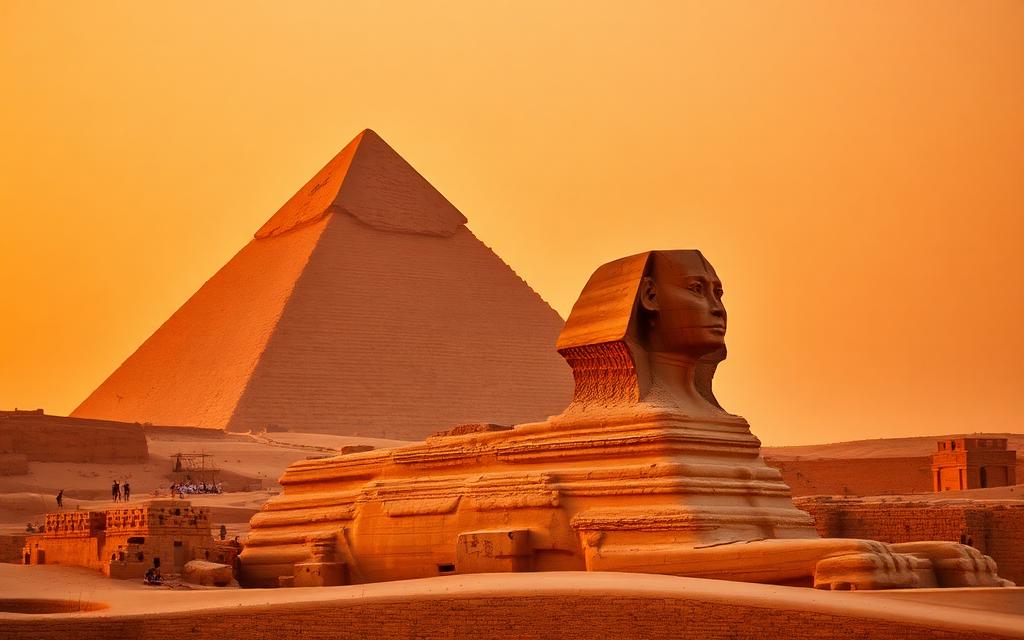
Cairo and the Pyramids City Break
Four focused days across Giza, Saqqara and Dahshur, with the Grand Egyptian Museum and historic Cairo — ideal if your time in Egypt is short.
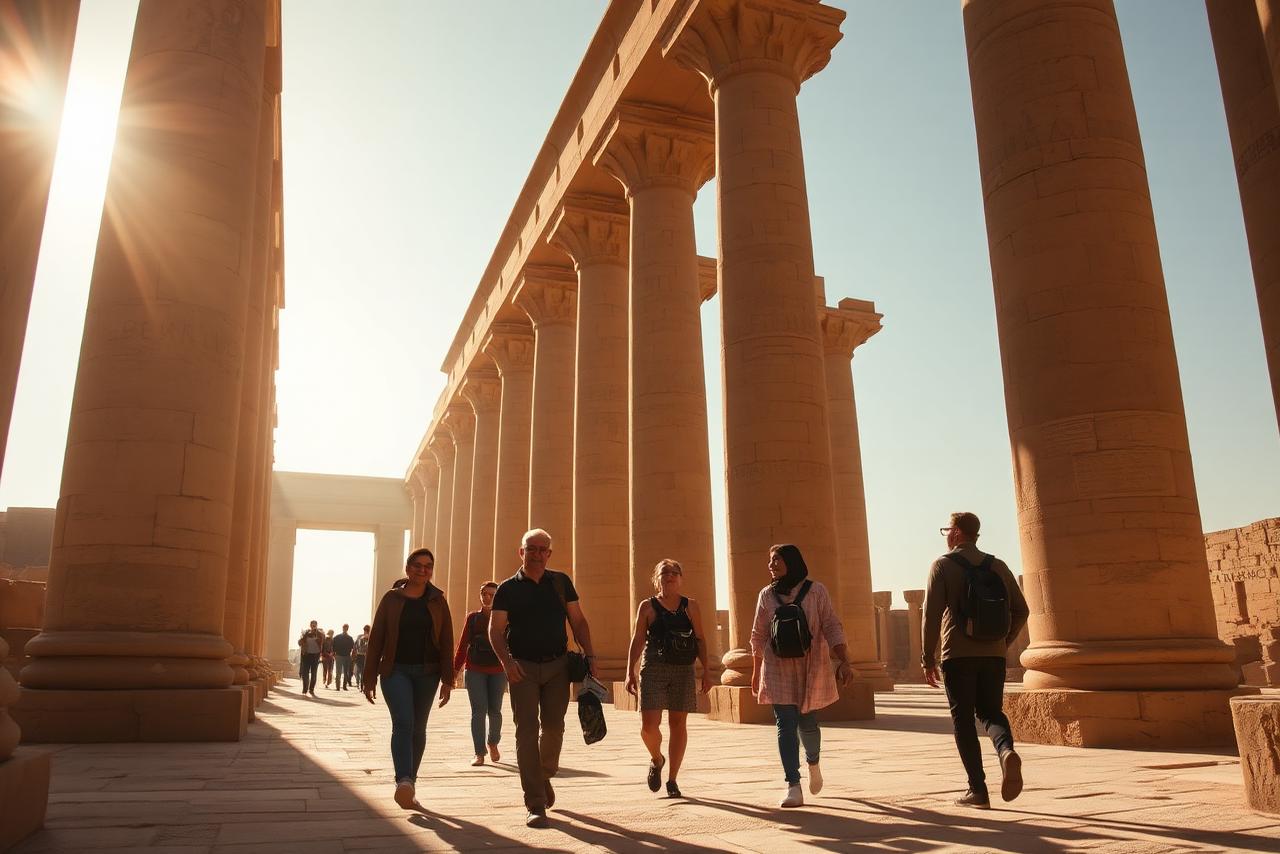
Egypt for Solo Travellers
A small-group departure with no single supplement, covering Cairo, a Nile cruise and Abu Simbel with a dedicated tour leader.
Related guides
Pyramids of Giza Tours: What to Expect & How to Book
The best Pyramids of Giza tours pair a licensed Egyptologist with a private car, cover the three pyramids and the Great Sphinx, and give you the freedom to arrive early before the crowds.
Nile Cruise Planning: Practical Tips for First-Time Travelers
How Nile cruises actually work: routes, ship types, what is included, which temples you see on which day, and how to choose between a cruise ship, a dahabiya and a felucca.
Best Time to Visit Egypt for a Luxury Tour
Month-by-month temperatures, crowd levels and prices for Cairo, Luxor, Aswan and the Red Sea — and why the "best" month depends entirely on how you handle heat.