
Nile Cruises
Felucca vs Nile Cruise: Which Sail Is Right for You?
A practical comparison of felucca sails, dahabiyas and Nile cruise ships, so you can choose the right way to sail the Nile.
Sailing is one of the oldest ways to see Egypt, and it's still one of the best — nothing puts the Nile Valley's temples, palm groves and village life into context quite like watching the riverbank drift past from the water. But "sailing the Nile" covers a wide range of very different experiences, from a rustic hour on a traditional felucca to a week aboard a five-star cruise ship with a spa and a sun deck pool. Choosing between them comes down to how much time you have, how much comfort you want, and what kind of trip you're actually after.
What a Felucca Trip Actually Is
A felucca is a traditional wooden sailboat with a single triangular sail and no engine, historically used for trade and fishing along the Nile and now almost entirely given over to short tourist sails. There's no cabin, no dining room and no itinerary beyond the wind and the current — you sit on cushions on deck, and the crew handles the sail.
- Trips typically run from one hour to overnight, most commonly a sunset sail near Aswan or a one- or two-night sail between Aswan and Kom Ombo or Edfu.
- Overnight felucca trips mean sleeping on deck under the stars, with the boat mooring on a riverbank each night; there's no shower or private bathroom on board.
- It's the cheapest way to be on the Nile, and by far the most atmospheric for a short, scenic sail rather than for covering serious distance.
- Meals on multi-day trips are simple and prepared by the crew on a small stove, often eaten on the riverbank rather than aboard.
What a Nile Cruise Ship Actually Is
A Nile cruise ship is a motorised, multi-deck vessel, usually running a fixed 3- to 7-night itinerary between Luxor and Aswan (or the reverse), stopping at Edfu, Kom Ombo and the temples along the way. Cabins have private bathrooms, air conditioning and, on higher-end ships, a balcony; onboard facilities typically include a restaurant, bar, sun deck and small pool.
- Itineraries are structured, with shore excursions to temples included and guided by an Egyptologist, either included in the cruise or arranged separately through a private operator.
- Comfort levels vary hugely by ship category, from simple three-star vessels to genuinely luxurious five-star ships with suites and personalised service.
- A cruise is the practical way to actually get between Luxor and Aswan while seeing the temples along the river, rather than transferring by road or rail.
- Full board is standard, and most ships include entertainment in the evenings, from Nubian music to a galabeya party.
Felucca vs Nile Cruise: A Side-by-Side Comparison
| Felucca | Nile Cruise Ship | |
|---|---|---|
| Typical duration | 1 hour to 2 nights | 3 to 7 nights |
| Cabin/bathroom | None (deck sleeping) | Private cabin with en-suite bathroom |
| Air conditioning | No | Yes |
| Meals | Simple, crew-prepared | Full board, restaurant service |
| Included excursions | Usually none | Yes, to major temples en route |
| Best for | Short scenic sail, atmosphere, budget | Covering Luxor–Aswan with comfort and included touring |
| Comfort level | Basic, adventurous | Ranges from simple to luxury |
| Typical starting point | Aswan | Luxor or Aswan |
| Good for families with young children | Not ideal for multi-night trips | Yes, on suitable ships |
Where a Dahabiya Fits Between the Two
A dahabiya is worth knowing about as a third option, since it splits the difference. It's a smaller, elegant sailboat (sometimes with an auxiliary engine or a tow tug for schedule reliability) with a handful of private cabins, an onboard chef and a much lower passenger count than a standard cruise ship — often single or low double digits rather than a hundred-plus. It moves at a gentler pace, ties up at quieter moorings away from the larger ship traffic, and suits travellers who want the intimacy and romance of a felucca with the comfort of proper cabins and bathrooms. For more on this category, see our guide to luxury Nile cruise ships, which covers dahabiya charters alongside the larger five-star vessels.
Which Suits Different Kinds of Travellers
- First-time visitors with limited time: a Nile cruise ship, since it combines transport, accommodation and guided temple visits into one efficient package, covered in full in our Nile River cruise guide.
- Travellers who want an authentic, low-cost taste of the river: a short felucca sail, ideally a sunset trip near Aswan, added onto a broader itinerary rather than relied on as the main way to travel.
- Couples and honeymooners: a dahabiya or a top-tier cruise cabin with a private balcony, for the combination of romance and comfort.
- Families with young children: a cruise ship with a pool and reliable air conditioning, rather than an overnight felucca, which lacks bathrooms and shade for long stretches of the day.
- Adventurous travellers with flexible time: a multi-night felucca sail between Aswan and Edfu, camping on the riverbank, for a genuinely different pace than any scheduled cruise offers.
Practical Considerations Before You Book
- Season matters more for feluccas. Summer heat (June to August) makes a shadeless deck genuinely uncomfortable for hours at a stretch, while winter evenings on the water can be cool enough to need a proper layer even in a country famous for sun.
- Felucca sails depend on wind, so schedules can shift, and a windless day may mean a slower trip or a short tow; cruise ships run to a fixed engine-powered schedule regardless of wind.
- Check what's actually included on any cruise before booking — shore excursions, guide fees, drinks packages and entry tickets vary between operators, and the headline price doesn't always cover all of them.
- Group size affects the experience on both: a felucca with too many passengers loses its intimate character, while a very large cruise ship can feel impersonal compared with a smaller boutique vessel.
- Combine the two if you can — a short felucca sunset sail near Aswan at the end of a multi-night cruise gives you both the comfort and the up-close, engine-off feeling that a big ship can't offer.
Making the Most of Either Option
Whichever you choose, timing your days around the temple stops rather than the boat itself tends to produce the better experience. Early morning visits to Kom Ombo or Edfu, before the coach groups from larger ships arrive, are one of the genuine advantages of travelling with a smaller or private operator, since your schedule isn't locked to a mass-market itinerary. If a Nile sailing is part of a longer trip, it's worth browsing the full range of Nile sailings to compare ship categories, durations and included excursions side by side before deciding.
Ready to Choose Your Sailing
If you're weighing up a felucca sunset, a multi-night dahabiya charter or a full five-star cruise between Luxor and Aswan, we can talk you through what each one is actually like day to day and match it to your time, budget and travel style. Get in touch and we'll help you pick the sailing that fits your trip rather than the other way round.
What a Typical Day Looks Like on Each
On a felucca, a day is unstructured by design: you sail while the wind allows, stop for meals on a sandy riverbank, and the crew decides on mooring points as conditions change. There's no printed schedule, and that looseness is part of the appeal for travellers who want to slow down completely for a day or two.
On a Nile cruise ship, days follow a set rhythm: an early shore excursion to a temple before the heat builds, a return to the ship for lunch as it sails to the next stop, an afternoon at leisure on the sun deck, and a second excursion or onboard entertainment in the evening. It's a far more organised experience, which suits travellers who want to see the maximum number of sites without managing logistics themselves.
Cost Expectations
Felucca sails are priced modestly, usually by the boat rather than per person for short charters, making them one of the most affordable ways to spend time on the Nile. Multi-night felucca trips with camping and meals cost more but remain well below cruise ship rates. Nile cruise ships vary enormously by star rating and season, with three-star vessels priced for budget travellers and five-star ships and dahabiya charters priced as a genuine luxury experience, generally reflecting cabin size, crew ratio and the quality of included excursions.
Booking Tips for Either Choice
Book felucca sails through a reputable operator or your tour company rather than directly on the Aswan corniche if you want a reliable boat, a clean cushion setup and a fair price; informal touts are common and standards vary widely. For cruise ships, check the star rating against recent photos rather than the marketing brochure alone, confirm which excursions and entrance tickets are included, and ask whether an Egyptologist guide accompanies shore visits or whether that's arranged separately. Both choices work best booked a few months ahead in the busy winter season (November to February), when the better boats and ships fill up early.
Our Take
For most travellers building a first Egypt itinerary, the sensible answer is both: a proper Nile cruise ship or dahabiya to cover Luxor to Aswan in comfort with included temple visits, and a short felucca sunset sail tacked on near Aswan for the pure, engine-off atmosphere that no larger vessel can quite replicate.
Egypt for Solo Travellers
A small-group departure with no single supplement, covering Cairo, a Nile cruise and Abu Simbel with a dedicated tour leader.
Frequently asked questions
Is a felucca or a Nile cruise better for a first-time visitor?+
A Nile cruise ship suits most first-time visitors better, since it combines transport between Luxor and Aswan, comfortable cabins and guided temple excursions in one package. A short felucca sail is worth adding on as an atmospheric extra rather than the main way to travel.
Does a felucca have a bathroom or air conditioning?+
No. Feluccas have no cabin, bathroom or air conditioning; passengers sit on deck cushions and, on overnight trips, sleep on deck under the stars, mooring on the riverbank each night.
What is a dahabiya and how does it compare to a cruise ship?+
A dahabiya is a smaller sailboat with a handful of private cabins, an onboard chef and a much lower passenger count than a standard cruise ship. It offers more intimacy and quieter moorings than a large cruise ship, with more comfort than a felucca.
Can families with young children take a felucca trip?+
A short daytime or sunset felucca sail works well for families, but a multi-night overnight felucca trip is harder with young children due to the lack of bathrooms, shade and air conditioning. A cruise ship with a pool is generally the better fit for families.
Do felucca sailing times depend on the weather?+
Yes. Feluccas rely on wind, so schedules can shift and a windless day may mean a slower trip or a short tow. Cruise ships run on fixed engine-powered schedules regardless of wind conditions.
Experience Egypt like never before
Our local experts are ready to craft a personalized itinerary that matches your dreams. Chat with us now or start designing your trip online.

Planning this trip?
Tell us your dates and interests and our team in Egypt will send a day-by-day plan with clear pricing.
Featured Tours for you
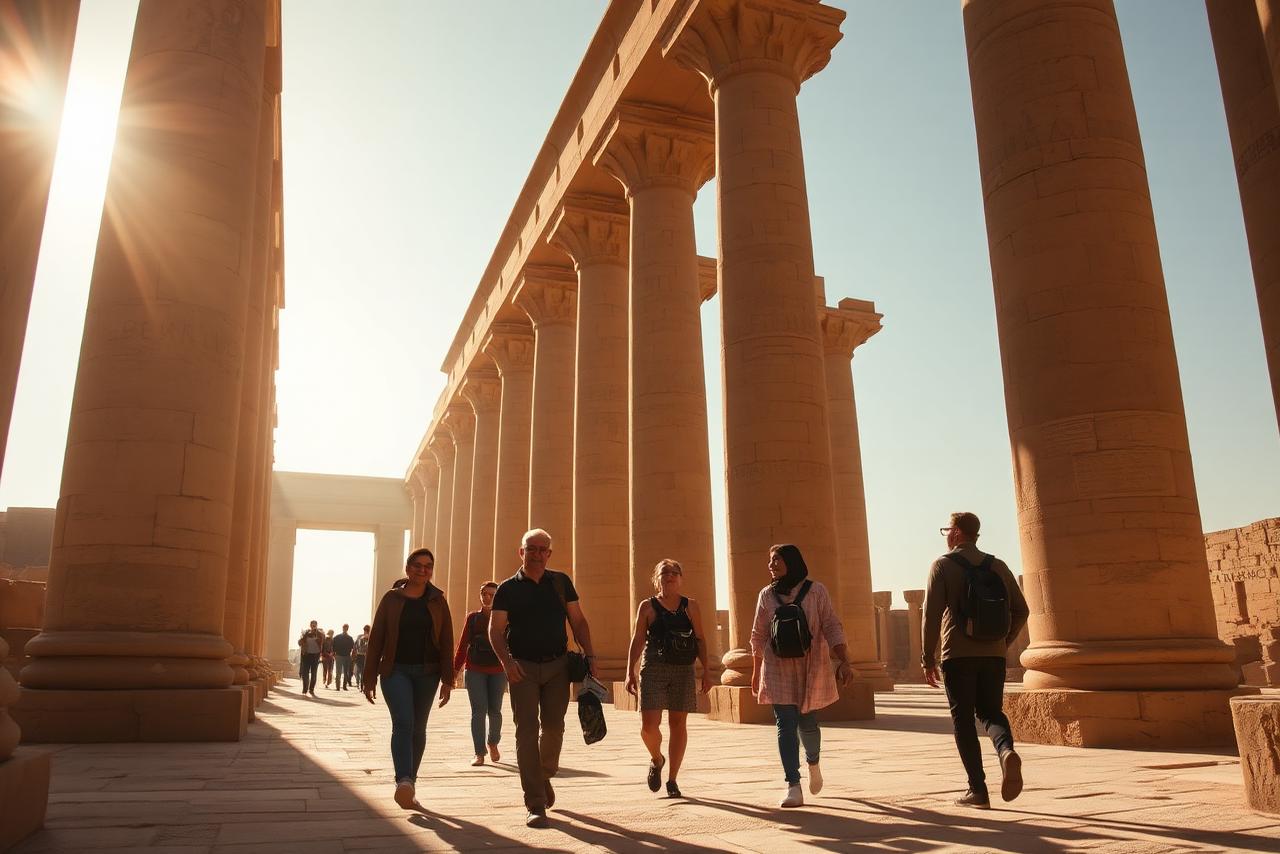
Egypt for Solo Travellers
A small-group departure with no single supplement, covering Cairo, a Nile cruise and Abu Simbel with a dedicated tour leader.
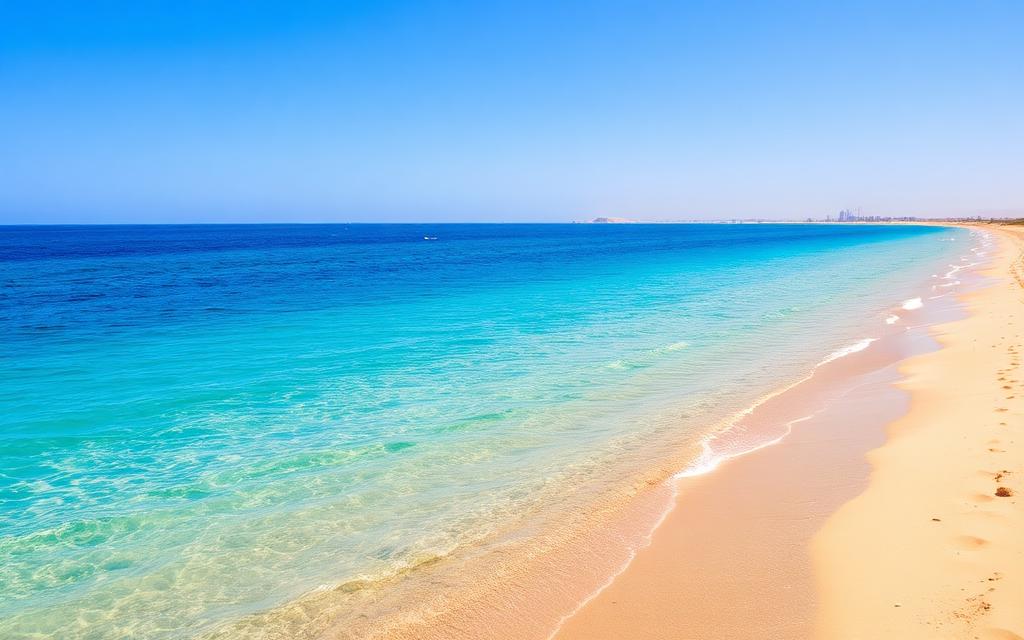
Cairo, Nile Cruise and Hurghada
Ancient Egypt first, Red Sea second: temples and tombs followed by warm water, reef snorkeling and unhurried beach days.
Related guides
Nile Cruise Planning: Practical Tips for First-Time Travelers
How Nile cruises actually work: routes, ship types, what is included, which temples you see on which day, and how to choose between a cruise ship, a dahabiya and a felucca.
Nile Cruise Egypt: The Ultimate Guide to Choosing the Right Sailing
A step-by-step guide to choosing between ship types, cruise lengths, sailing directions and cabin categories on the Nile.
Luxury Nile Cruises: Boutique Sailing & Private Dahabiyas
From five-star cruise ships to intimate dahabiyas, here is how the different tiers of luxury Nile sailing compare.