
Egypt Travel Advice
Egypt Travel Etiquette & Cultural Tips for Visitors
A practical guide to dress codes, tipping, greetings and everyday customs so you travel through Egypt with confidence.
Egypt is a warm, hospitable country, and most cultural missteps by visitors are forgiven with a smile. Still, a little preparation on dress, greetings, tipping and everyday customs goes a long way toward being welcomed rather than merely tolerated, and it tends to produce a noticeably better trip — warmer conversations, more generous hospitality, and guides and drivers who go a bit further for you. This guide covers the etiquette that actually matters for visitors, without turning your trip into a minefield of rules.
Dress Codes: What's Expected and Where
Egypt is a majority-Muslim country with conservative norms in public life, though tourist areas and hotels are considerably more relaxed than everyday neighbourhoods.
- Shoulders and knees covered is a safe general rule for both men and women in cities, markets and religious sites.
- Mosques require women to cover their hair, shoulders and legs; a lightweight scarf carried in your bag covers you for any unplanned mosque visit.
- Swimwear is fine at hotel pools and Red Sea beach resorts but should stay there — walking through a town in beachwear is considered inappropriate.
- Men can wear shorts in tourist areas without much comment, but long trousers are the safer default in cities and at religious sites.
- On a Nile cruise or in resort areas, dress norms relax considerably in the evening for dinner and entertainment.
For a fuller packing rundown that accounts for heat, sun and site-appropriate footwear, see our guide to what to pack for a luxury Egypt tour.
Greetings and Everyday Social Customs
- A handshake is the standard greeting between men, and often between women; between a man and a woman, it's polite to wait and see whether the woman offers her hand first.
- "As-salamu alaykum" (peace be upon you) is a warm, universally understood greeting, and the reply "wa alaykum as-salam" will be appreciated even if your accent is rough.
- Egyptians are generally warm and curious with visitors; personal questions about family or marital status are common conversation openers rather than intrusions.
- Public displays of affection between couples are best kept modest, particularly outside resort areas.
- The left hand is traditionally considered less polite for eating, greeting or handing items to someone; using the right hand where possible is a small habit that's noticed positively.
Tipping (Baksheesh): How Much and When
Tipping is woven into daily life in Egypt far more than in many Western countries, and it's worth budgeting for rather than treating as an afterthought.
| Situation | Typical tip |
|---|---|
| Restaurant meal | 10% if service isn't already included |
| Hotel porter | Small note per bag |
| Tour guide (full day) | A set daily amount, higher for private guides |
| Driver (full day) | A set daily amount, less than the guide |
| Cruise ship staff | Often pooled; check if a service charge is included |
| Restroom attendants, site guards | Small coins for any assistance offered |
Carrying a supply of small local currency notes makes tipping far easier than trying to break large bills throughout the day. Ask your guide or tour operator for current guideline amounts, since these shift over time and vary by region.
Bargaining in Markets
Haggling is expected in souks and with street vendors, but not in supermarkets, malls or fixed-price shops.
- Starting around half the initial asking price and working toward a fair middle ground is a reasonable approach.
- Keep it good-humoured; bargaining is a social exchange in Egypt, not a confrontation, and a smile gets better results than a hard stance.
- Walking away, calmly, is a normal and effective part of the process if a price doesn't meet your budget.
- Prices for tourist-facing goods in Khan el-Khalili and similar markets are set with negotiation built in, so don't feel you're taking advantage by countering firmly.
Photography and Personal Space
Cameras and phones are everywhere in Egypt's tourist sites, but a little courtesy matters, especially with people rather than monuments. Always ask before photographing someone directly, and expect a small tip to be welcomed if someone poses deliberately for you. Military sites, bridges and some government buildings are genuinely off-limits for photography. For the fuller picture on permits, tripod rules and getting good shots respectfully, see our guide to photographing people respectfully at Egypt's major sites.
Religious and Cultural Sensitivities
- Ramadan (dates shift yearly by the Islamic calendar) means many locals fast from sunrise to sunset; eating, drinking or smoking in public during daylight hours is discouraged out of respect, even though hotels and tourist restaurants continue serving visitors as normal.
- Friday is the main day of prayer and rest, and some local shops and offices close or run reduced hours, though tourist sites generally remain open.
- Remove shoes before entering mosque prayer halls, and avoid walking directly in front of someone praying.
- Alcohol is available at licensed hotels, restaurants and on cruise ships, but public drunkenness is treated seriously and best avoided.
Practical Etiquette Around Guides, Drivers and Staff
Egypt's tourism economy runs on personal relationships, and small courtesies go a long way. Greeting your driver and guide by name, accepting an offered cup of tea, and asking a few questions about their own life tend to open up a noticeably warmer and more informative day than treating the interaction purely as a transaction. If you have dietary needs, mobility considerations or particular interests, mentioning them early rather than partway through the day helps your guide plan around them properly, whether that's timing meals around eating in Egypt well or adjusting a walking pace at a large site.
A Quick Reference for Common Situations
- Entering someone's home: remove your shoes if you see others have done so, and accept any offered tea or coffee, even briefly.
- Visiting a mosque: dress modestly, remove shoes, and women should cover their hair.
- At a market stall: greet the vendor, browse without obligation, and bargain with good humour if you intend to buy.
- On a felucca or cruise: crew and staff appreciate being asked their names and a friendly word beyond instructions, which tends to be reciprocated with better service.
- General public behaviour: keep voices moderate in religious and heritage sites, and be mindful that many Egyptians you'll meet are more conservative in public behaviour than tourists from some other regions.
Travelling With Confidence, Not Anxiety
None of this is meant to make a trip feel like walking on eggshells. Egyptians are, on the whole, forgiving of visitors who make a genuine effort, and a polite greeting or an attempt at a few Arabic words tends to matter more than getting every rule perfectly right. The goal is simply to travel with awareness rather than assumptions, which tends to open doors — literally, in the case of shopkeepers and hosts — that a purely transactional traveller never sees.
Plan a Trip That Fits Comfortably
If cultural comfort matters to how you travel, tell us about your priorities when you book — whether that's a female-friendly itinerary, modest dress requirements for a group, or simply wanting a guide who can explain customs as you go. Get in touch and we'll build a trip where the cultural side feels natural rather than like homework, alongside the sites you've come to see.
Visiting Mosques and Churches Respectfully
Egypt's religious sites are generally welcoming to visitors, and most major mosques and Coptic churches are used to tourist footfall, but a few habits matter more here than at a purely secular site.
- Remove your shoes before entering a mosque's carpeted prayer hall; you'll usually see a shoe rack or an attendant who'll hold them for a small tip.
- Women should have a scarf ready to cover their hair, along with covered shoulders and legs; some of the busier mosques, such as those in Cairo's Islamic quarter, keep spare robes at the entrance.
- Avoid visiting a working mosque during the five daily prayer times if you're not attending prayer yourself, and never walk directly in front of someone who is praying.
- Coptic churches and monasteries have their own modest dress expectations, generally similar to a mosque's, and some monasteries in the Western Desert or Wadi Natrun restrict access for women to certain areas or times — check with your guide before visiting.
- Speak quietly inside any active place of worship, and ask before using a flash or a tripod, since some sites restrict photography around specific icons, tombs or prayer areas.
Photographing People: What's Appropriate
Egypt photographs beautifully, but the people you meet along the way deserve the same courtesy you'd expect at home. Always ask before photographing someone directly, whether that's a vendor in a souk, a Nubian boatman on the Nile, or children near a village. A smile and a gesture toward your camera is usually enough to get a clear yes or no,. If someone poses deliberately for a photo, especially at a tourist site, a small tip is customary and generally expected. Avoid photographing military personnel, checkpoints, bridges and government buildings, all of which are genuinely restricted and occasionally enforced. For more detail on permits, drone rules and getting good results without causing offence, see our full guide to photographing people respectfully at Egypt's major sites.
Tipping Norms Beyond the Basics
Tipping runs deeper than the restaurant and guide amounts covered above. Restroom attendants at tourist sites and rest stops expect a few small coins. Site guards who unlock a closed tomb or point out a hidden detail are angling for baksheesh, and a small tip is the accepted exchange. Camel and horse handlers should be tipped separately from any fee already agreed for the ride. Carrying a stock of small notes saves awkward moments where you have nothing smaller than a large bill.
Bargaining Beyond the Souk
Beyond the general approach already covered, it helps to know where bargaining does and doesn't apply. Taxis without a working meter should have a price agreed before you get in. Felucca rides, camel rides and horse-drawn carriage trips are almost always negotiated, and asking your hotel or guide for a fair benchmark price avoids overpaying. Fixed-price government sites, museum tickets and licensed tour operators are the clear exceptions — there's no bargaining culture around entrance fees or a quoted private tour price, and attempting to haggle there tends to confuse rather than charm.
Traveling During Ramadan
Visiting Egypt during Ramadan is entirely possible and can be rewarding, but the daily rhythm shifts. Many Egyptians fast from sunrise to sunset, and local restaurants and some shops close or reduce hours, reopening after the sunset iftar meal. Hotels and tourist-focused restaurants continue serving visitors throughout the day, but eating, drinking or smoking openly in public during daylight hours is best avoided out of respect. Evenings are lively, with markets busy well past midnight, and major sites generally keep normal hours. Check the specific dates before booking, since Ramadan shifts roughly eleven days earlier each year on the Gregorian calendar.
Alcohol: Where It's Available and Where It Isn't
Alcohol sits in a similar category to dress codes: broadly available in tourist contexts, largely absent elsewhere. Licensed hotels, resort bars, Nile cruise ships and restaurants catering mainly to foreign visitors serve beer, wine and spirits, including Egyptian-made Stella beer and a handful of domestic wine labels. Local restaurants outside major tourist areas frequently don't serve alcohol at all, particularly in more conservative towns in Upper Egypt, and it's not sold at all during Ramadan outside licensed hotels. Drinking in public outside a licensed venue is not the done thing, and public drunkenness is treated as a genuine offence, so moderation in public settings is worth keeping in mind even where alcohol is freely served.
Dress Codes by Setting
Since dress expectations vary considerably depending on where you are, it helps to think in terms of settings rather than one blanket rule.
| Setting | What works |
|---|---|
| Cairo streets and markets | Shoulders and knees covered, loose comfortable clothing |
| Mosques | Long sleeves and trousers/skirt; women cover hair |
| Nile cruise ship, daytime | Casual, breathable clothing; swimwear at the pool only |
| Nile cruise ship, dinner | Smart casual is customary for evening meals |
| Red Sea beach resort | Swimwear fine at the beach and pool, cover up walking through town |
| Desert safari or oasis visit | Long sleeves and trousers for sun and wind protection, plus modesty |
| Upper Egypt towns (Luxor, Aswan) | More conservative than Cairo; keep shoulders and knees covered |
Egypt for Solo Travellers
A small-group departure with no single supplement, covering Cairo, a Nile cruise and Abu Simbel with a dedicated tour leader.
Frequently asked questions
What should I wear when visiting Egypt?+
Shoulders and knees covered is a safe general rule in cities, markets and religious sites for both men and women. Swimwear is fine at hotel pools and Red Sea resorts but shouldn't be worn walking through towns.
How much should I tip in Egypt?+
Around 10% at restaurants if service isn't already included, plus small set amounts for guides, drivers and hotel porters. Carrying small local currency notes makes tipping much easier throughout the day.
Is bargaining expected in Egyptian markets?+
Yes, in souks and with street vendors, though not in supermarkets or fixed-price shops. Starting around half the initial asking price and negotiating good-humouredly toward a fair middle ground works well.
Can I drink alcohol in Egypt?+
Yes, at licensed hotels, restaurants and on Nile cruise ships, though it's less available in local restaurants outside tourist areas, especially during Ramadan. Public drunkenness is taken seriously.
Do I need to cover my hair to visit a mosque?+
Yes, women should cover their hair, shoulders and legs when entering a mosque, and everyone should remove their shoes before entering the prayer hall. A lightweight scarf carried in your bag covers you for any unplanned visit.
Experience Egypt like never before
Our local experts are ready to craft a personalized itinerary that matches your dreams. Chat with us now or start designing your trip online.

Planning this trip?
Tell us your dates and interests and our team in Egypt will send a day-by-day plan with clear pricing.
Featured Tours for you
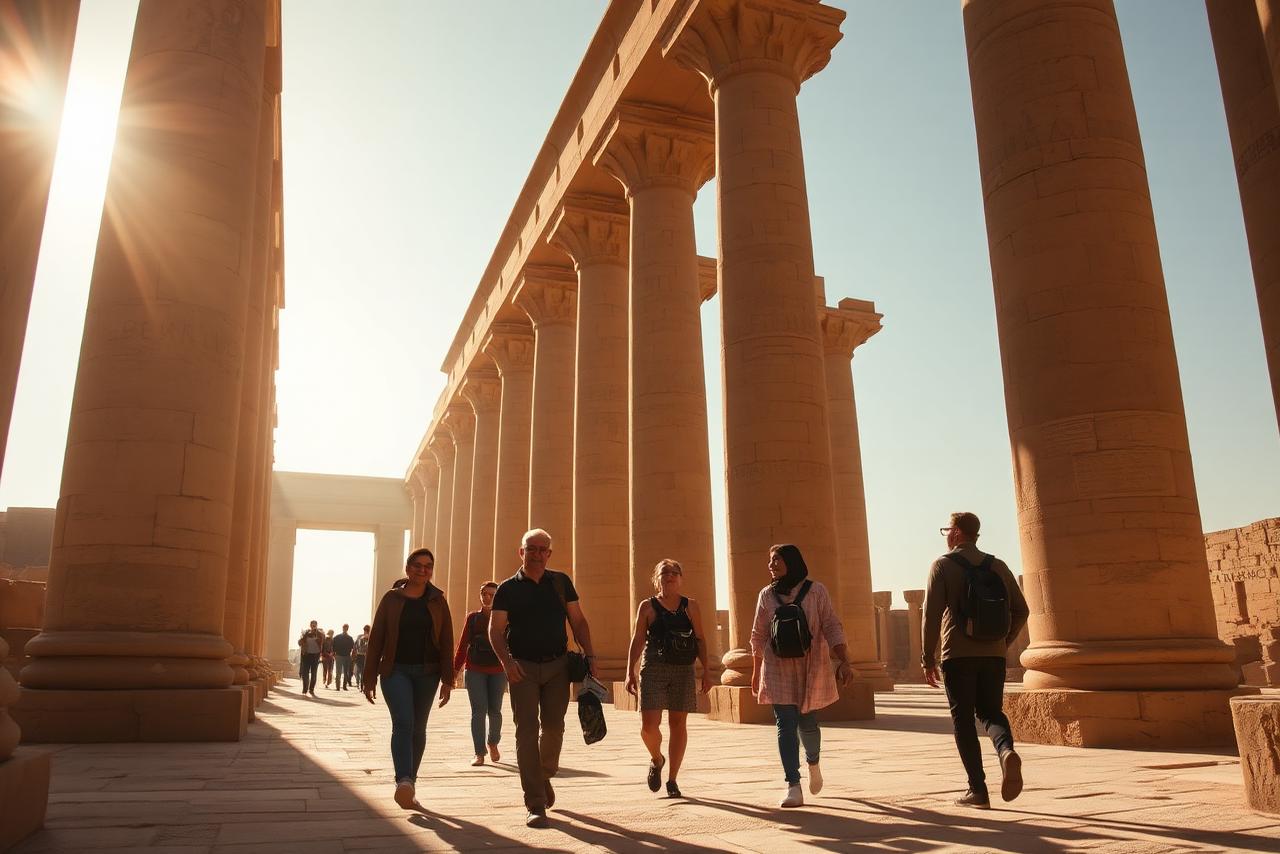
Egypt for Solo Travellers
A small-group departure with no single supplement, covering Cairo, a Nile cruise and Abu Simbel with a dedicated tour leader.
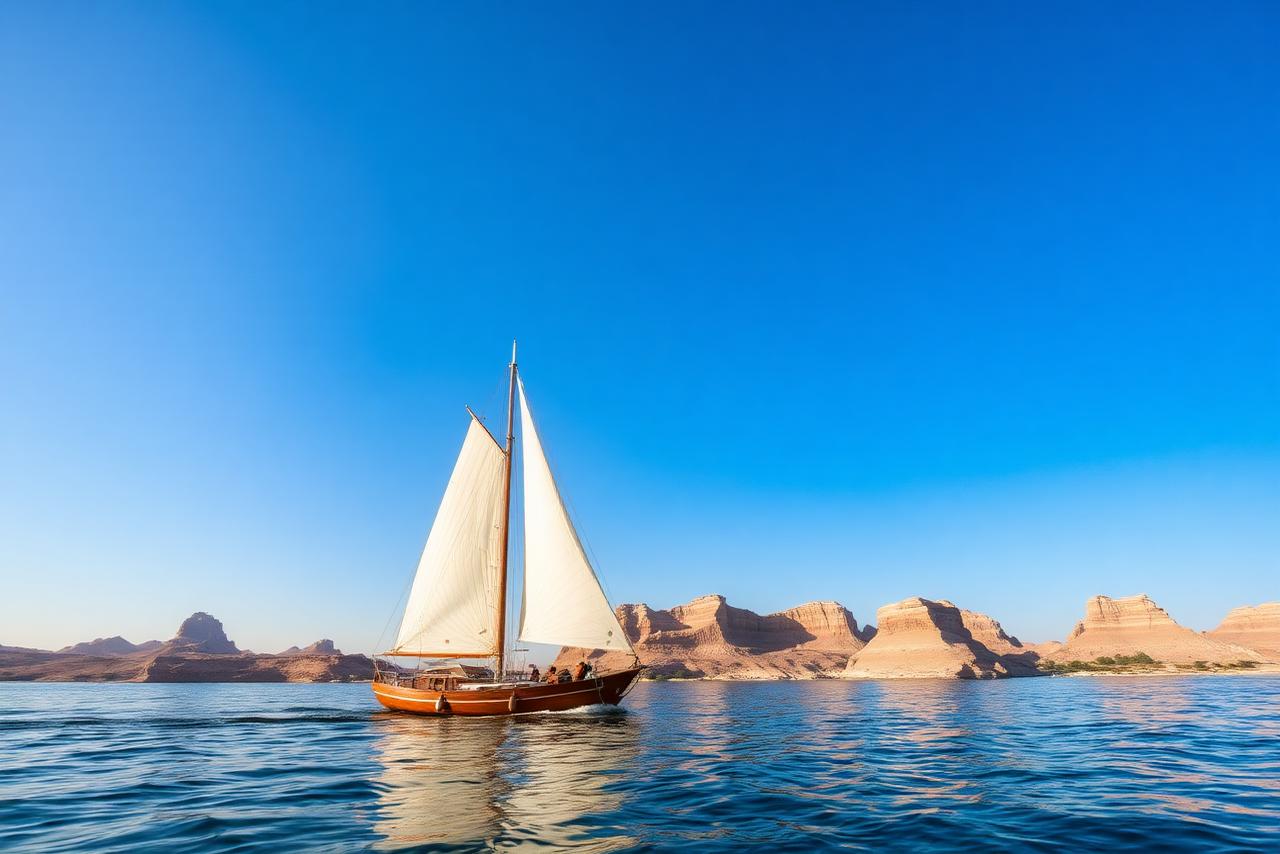
Egypt Budget Explorer
All the essentials of Cairo, Luxor and Aswan at a lower price point, using comfortable 3-star hotels and overnight trains.
Related guides
Photography in Egypt: Capturing Iconic Sites in Style
A practical guide to camera rules, permits, light and etiquette for photographing Egypt's temples, tombs and markets well.
Best Time to Visit Egypt for a Luxury Tour
Month-by-month temperatures, crowd levels and prices for Cairo, Luxor, Aswan and the Red Sea — and why the "best" month depends entirely on how you handle heat.
What to Pack for a Luxury Egypt Tour: Complete Checklist
A season-by-season packing list for Egypt from the team that runs these trips: what actually works in 40°C heat, what the tombs and mosques require, and what you can safely leave at home.